How to Treat Morton’s Neuroma at Home and at the Doctors

To successfully manage Morton’s neuroma and stop further pain, it is important to get a diagnosis as soon as possible and use a combination of at-home treatments, lifestyle changes, and professional help.
Here’s why acting quickly is so important:
Preventing Progression: Taking care of a health problem early on can stop it from getting worse. For Morton’s neuroma, getting help right away can stop the symptoms from getting worse, which lowers the risk of problems and long-term damage to the foot.
Minimizing Discomfort: Many diseases, like Morton’s Neuroma, can cause pain and discomfort. If these symptoms are treated quickly, they can go away, making the person’s quality of life better and limiting their ability to do daily things.
Maintaining Functionality: Health problems can make it hard for someone to do normal things. Early intervention tries to keep people functioning by getting to the bottom of the problem as quickly as possible. This way, people can keep doing the things they normally do with little trouble.
Avoiding Secondary Complications: Some diseases can cause secondary complications if they are not treated. For example, foot problems that aren’t addressed can change how you walk and stand, which could lead to more musculoskeletal problems. These risks can be lessened by acting quickly.
Increasing Treatment Options: In the early stages of many illnesses, there are more and less invasive treatment choices. When you step in at the right time, you can try less invasive or bold methods first, which can save you money in the long run.
Improving the Effectiveness of Treatment: Early treatment is better for some diseases. Early intervention makes it possible to use a more targeted and effective method, which increases the chances of success.
What are the Morton’s Neuroma symptoms?
If you experience any of the following signs or symptoms, it’s advisable to consult with a podiatrist. Seeking professional help for Morton’s neuroma is crucial for an accurate diagnosis and effective management.
These are the most common signs of Morton’s neuroma:
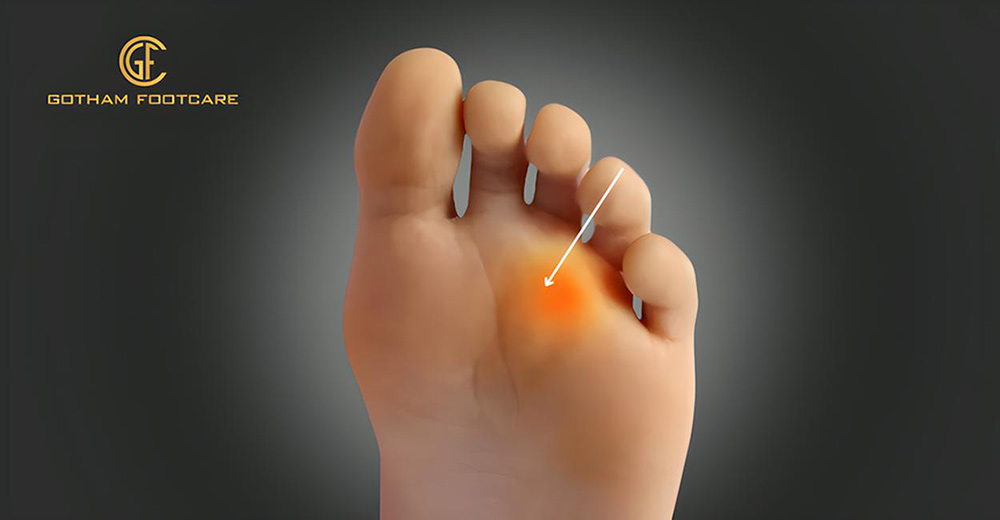
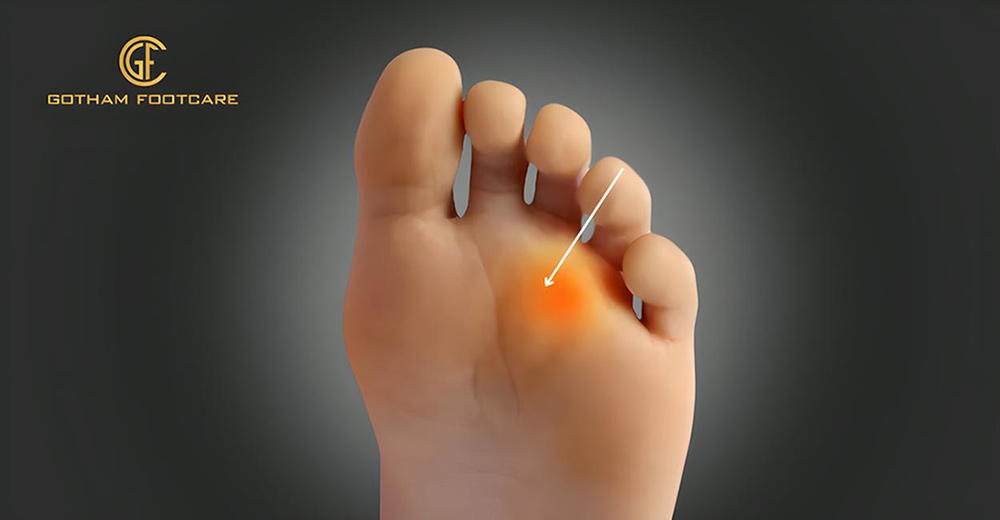
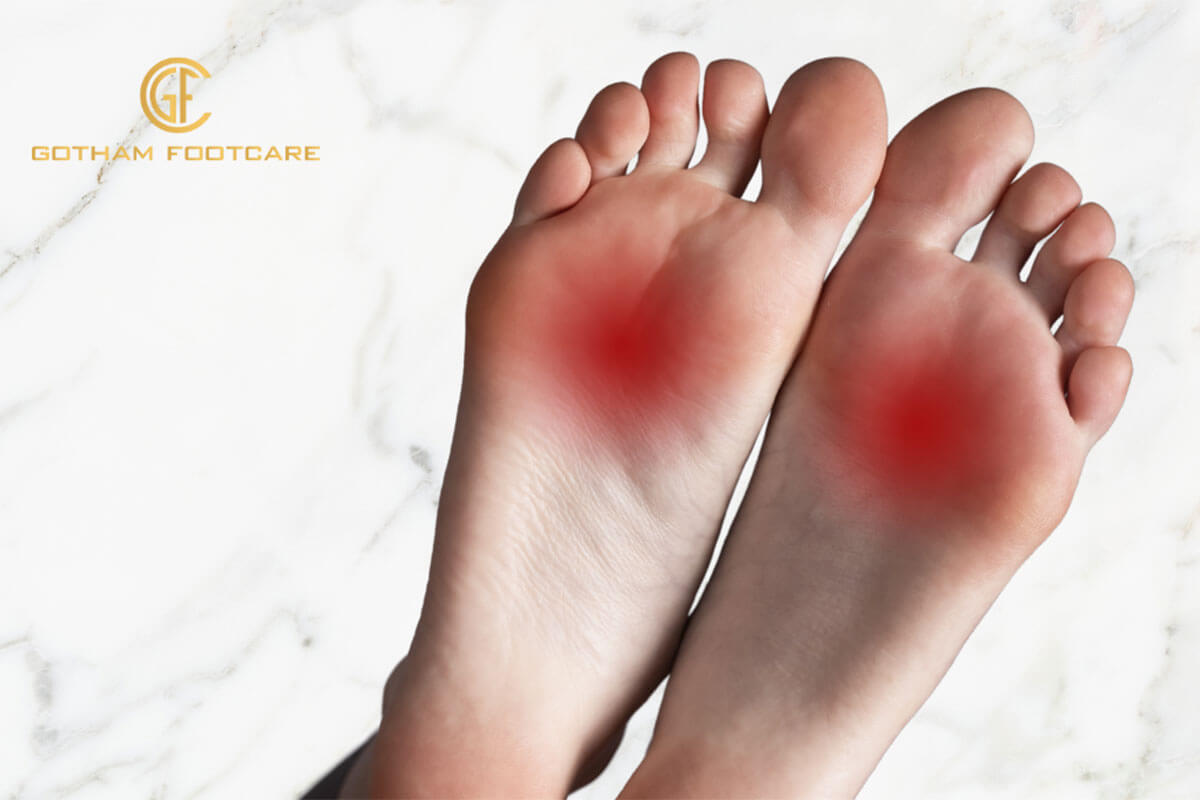
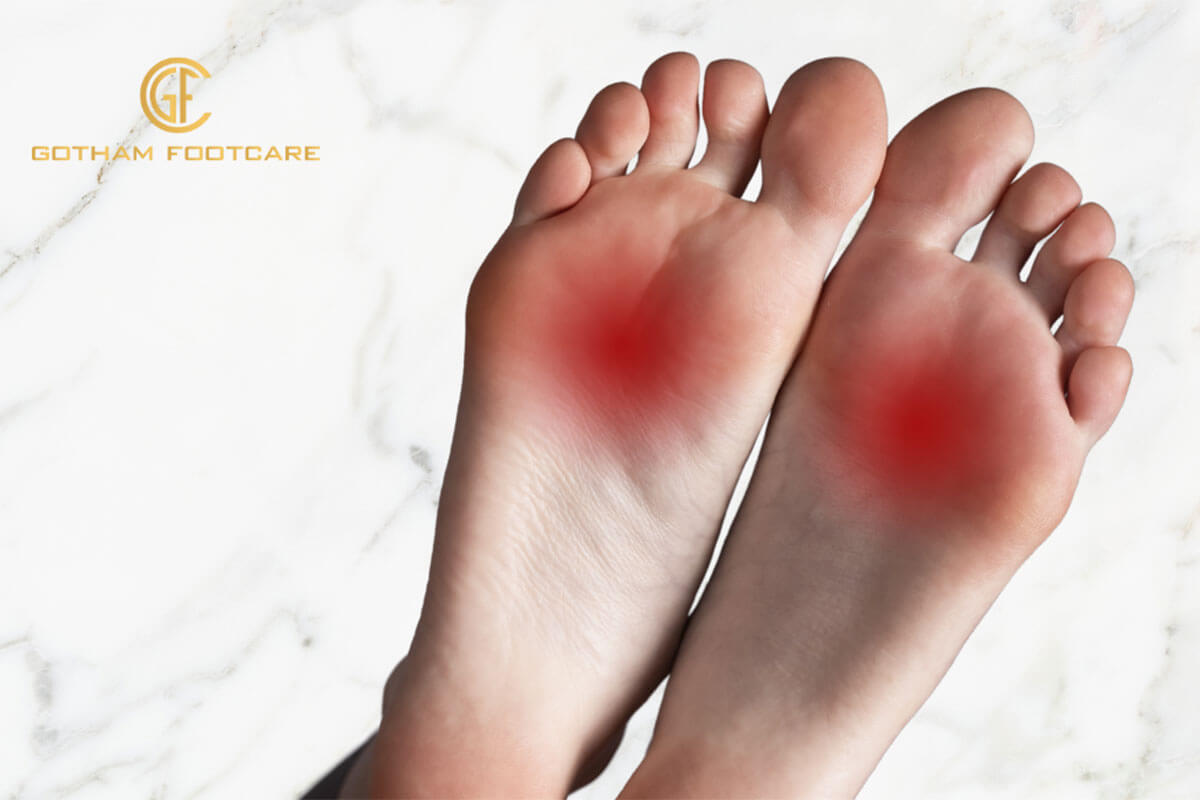
Pain in the Ball of the Foot: A sharp, burning pain in the ball of the foot is one of the most common symptoms. People often compare it to walking on a rock or a fold in their sock.
Toe Discomfort: The pain may spread to the toes, especially the third and fourth ones, making them feel tingly or numb.
Aggravation With Activity: Symptoms tend to get worse when doing weight-bearing tasks like walking or standing. People often feel better when sitting or lying down.
Perceived Lump or Thickening: Some people may feel a lump or thickening in the ball of their foot. This is because the nerve is swollen or enlarging because it is being irritated.
Pain Relief with Massage: Rubbing the foot or massaging the hurt area may briefly ease pain by lowering pressure on the nerve that is hurt.
Intolerance to Tight Shoes: Wearing shoes with a narrow toe box or high heels can make symptoms worse because they squeeze the toes and irritate the nerve even more.
Intermittent Shooting Pains: People may feel shooting or stabbing pains in the affected area from time to time, especially when doing activities that put pressure on the foot.
What causes Morton’s neuroma?
Morton’s neuroma is often caused by:
Choices of Shoes: Shoes that are too tight or don’t fit right, especially those with a small toe box or high heels, can make the nerves in the foot swell and hurt.
Foot Structure and Mechanics: Problems with the structure of the foot, like high arches or flat feet, can change how weight is distributed and raise the risk of getting Morton’s neuroma.
High-Impact Activities: Doing activities that put a lot of stress on the feet over and over again, like running or activities where you push off with your toes a lot, can make neuromas more likely to form.
Gender and Age: A lot of women get Morton’s neuroma, and most people who get it are between the ages of 30 and 50.
Existing Foot Conditions: People who already have bunions, hammertoes, or other structural foot problems may be more likely to develop Morton’s neuroma.
Job Factors: Jobs that require long periods of standing or walking on hard surfaces may raise the risk of neuromas forming.
Injuries or Trauma: Injuries or trauma to the foot in the past can irritate nerves and cause Morton’s neuroma to form.
How to Pick the Right Shoes
To find the right shoes for someone with Morton’s neuroma, you should look for ones with a wide toe box, low heels, arch support and padding, soft and flexible materials, and orthotic inserts. Also, pick shoes with a wide toe box to keep the nerve from being compressed and toes from being squished. Stay away from pointed shoes, as they can put more pressure on the neuroma. Use orthotic inserts or custom insoles for extra support. Make sure you get the right size. Pick shoes with adjustable straps or laces for a secure fit. Choose materials that let air flow and keep feet dry. Avoid high heels to keep your feet from getting hurt. Buy shoes that are comfortable before you buy them.
Physical Therapy Exercises
Morton’s neuroma patients can benefit from physical therapy exercises to improve flexibility, strength, and foot health. These exercises can help ease the pain and symptoms of the condition. Some exercises include stretching toes, toe flexors, calves, squeezes for towels, getting marbles, building up feet naturally, making the ankle alphabet, and strengthening the arch.
To start an exercise plan for Morton’s neuroma, it is essential to consult a physical therapist or medical worker. They can provide advice on the right exercises based on the patient’s needs and condition severity. Exercises should be done carefully, and anything that worsens pain or soreness should be stopped. By following these exercises, patients can improve their foot health and overall well-being.
Benefits of Ice Therapy
Ice therapy, also known as cryotherapy, is effective in reducing pain and inflammation associated with Morton’s neuroma by numbing the affected area. It helps constrict blood vessels and reduce swelling, addressing a key contributor to pain. Cold therapy can temporarily desensitize nerves, reducing blood flow and promoting healing. It is often recommended as part of early injury management. Ice packs are a convenient home remedy for managing pain and inflammation. Applying a cold pack for 15-20 minutes at a time, repeating several times a day, is recommended. Combining ice therapy with gentle massage can also be beneficial. However, it is essential to consult a healthcare professional for personalized advice.
Professional Treatment Options
Morton’s neuroma requires professional treatment to control symptoms and improve foot health. Common treatments include podiatrist evaluations, imaging tests, custom-made shoes, and individualized exercise plans. Doctors may also prescribe corticosteroids injections for persistent pain and inflammation. Physical therapists can create individualized exercise plans to strengthen foot muscles and improve walking. Ultrasound-guided procedures may be used for accurate injections. Alcohol injections may be advised for sclerosis. Non-invasive shock wave therapy (ESWT) can help heal the neuroma. In cases where non-invasive treatments fail, cryosurgery has been successful. This procedure involves freezing the affected nerve to alleviate pain and discomfort.
When it comes to Morton’s neuroma, time really does matter. If you notice the signs early on and take action to help, the road to healing will go more smoothly and faster. In the parts that follow, we’ll talk about both at-home remedies and professional help, giving you information that will help you take better care of your feet. Remember that every step you take toward a pain-free and relaxed future is a step in the right direction if you act quickly.
More Information
A Morton’s Neuroma Doctor Complete Guide to Morton’s Neuroma Surgery