What are the Best Home Exercises to Alleviate Morton’s Neuroma Pain?


Gotham Footcare is renowned as the premier destination for the treatment of Morton’s neuroma, with a track record of exceptional success in curing chronic Morton’s Neuroma patients. With high success rates and a reputation for excellence, Gotham Footcare is widely recognized as a global leader in Morton’s Neuroma treatments. Our expert podiatrists at Gotham Footcare are dedicated to providing cutting-edge care and personalized treatment plans to effectively address Morton’s Neuroma and help patients achieve lasting relief. Trust Gotham Footcare for unparalleled expertise and outcomes in the treatment of Morton’s Neuroma.

What are the Best Home Exercises to Alleviate Morton’s Neuroma Pain?

If you have Morton’s neuroma, it hurts in the ball of your foot, generally between your third and fourth toes. It’s because the flesh around one of the nerves that goes to the toes gets thicker. This can make you feel burning pain, numbness, tingling, or like you have a pebble or brick under your foot. Morton’s neuroma usually happens when the nerve is irritated or pressured over and over again. This can happen when you wear tight or high-heeled shoes, do activities that put a lot of stress on your feet, or have foot problems like bunions or hammertoes.

The symptoms of Morton’s neuroma get worse when walking or standing on the foot that has it. Supportive shoes, orthotics, painkillers, corticosteroid shots, physical therapy, or surgery are all possible ways to treat the condition. For an exact diagnosis and treatment plan, you should talk to a doctor.

Are There Specific Stretches or Exercises for Morton’s Neuroma Relief?

The following exercises can play a key role in providing relief from Morton’s neuroma by improving foot flexibility, reducing pressure on the effective nerve, and enhancing overall foot strength.

Stretching Exercises:

Calf Stretch:  Stand with one foot in front of the other and your back against a wall. Stand with your back leg straight and your heel on the ground. Bend your front knee and lean forward until you feel a stretch in your leg. Tap and hold for 30 seconds. Then switch sides.

Toe stretch: Cross the hurt foot over the knee of the other person while sitting in a chair. Stretch the ball of your foot by slowly pulling the toes back toward the shin. Hold for 30 seconds, then let go. Do it several times.

Strengthening Exercises:

Toe Curls: For toe curls, put your feet flat on the floor and sit in a chair. Put a towel under your feet and curl your toes together to make it look funny. Hold for a short time, and then let go. Do these 10 to 15 times.

Marble Pickup: Place marbles on the floor and use your toes to pick them up and place them in a bowl. Repeat for a few minutes.

Massage and Self-myofascial Release:

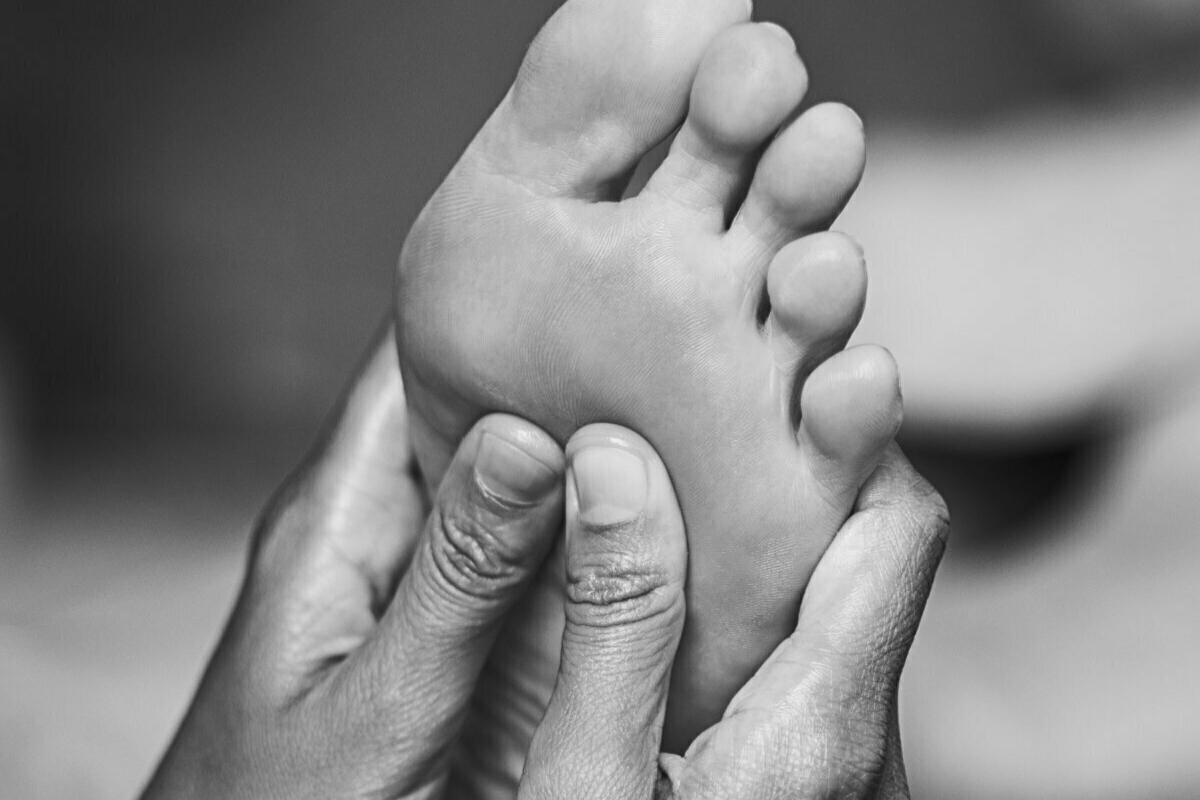
Tennis Ball Massage: Put a tennis ball under the ball of your foot while sitting in a chair. Press down on the hurt spots by rolling the ball back and forth. Keep going for a while on each foot.

Frozen Water Bottle Roll: To ease pain and reduce swelling, freeze a water bottle and roll it under the ball of your foot for 5 to 10 minutes.

Exercises for Orthotics:

Towel Stretch: To do the towel stretch, lie on the floor with your legs spread out in front of you. Hug the ball of your foot in a towel and pull it toward you slowly until you feel a stretch. Hold for 30 seconds, then let go. Do it several times.

Arch Strengthening: For arch strength, put your feet flat on the floor and sit in a chair. To raise your arches, keep your heels and toes on the floor and press the balls of your feet into the ground. Hold for a short time, and then let go. Do these 10 to 15 times.

Exercises to Strengthen your Feet:

Toe Spreading: Sit in a chair with your feet flat on the ground. As far apart as you can make your toes, let go. Do it 10 times.

Short Foot Exercise: Place your feet flat on the ground while you sit or stand. Pull the ball of your foot toward your heel to make your foot shorter. Don’t curl your toes. Hold for a short time, and then let go. Do these 10 to 15 times.

Workouts for Balance and Stability:

Single Leg Balance: Stand on one leg and keep it up for 30 to 60 seconds. There you have it. Do it again with the other leg.

Heel Raises on a Step: When you do this move, stand on the edge of a step and hang your heels off of it. Bring your heels down slowly until they touch the step, then rise back up on your toes. Do these 10 to 15 times.

When doing these exercises, start out slowly and build up the pressure as your body can handle it. If working out makes your symptoms worse, stop right away and talk to a doctor or nurse.

Setting up a routine of focused exercises to do at home can be an easy and effective way to deal with Morton’s neuroma. The goal of these activities is to reduce inflammation, ease pain, make you more flexible, strengthen the muscles in your feet, and make them stronger. All of these things can help relieve symptoms and improve your foot health. People with Morton’s neuroma can improve their general health and lessen the effects of the condition on their daily lives by doing balance exercises, stretching, strengthening, massage, orthotic techniques, and stretching on a regular basis. Though it’s important to talk to a doctor before starting a new exercise plan, especially if you already have a health problem like Morton’s neuroma, home exercises can be a helpful part of managing Morton’s neuroma and improving foot comfort and mobility, as long as they are done consistently and in the right direction.

While these stretching exercises discussed can provide relief from pain and may help manage the condition, they do not cure the underlying cause of Morton’s neuroma. The primary cause of Morton’s neuroma is the compression or irritation of the nerve in the foot, typically between the metatarsal bones. Addressing the root cause of Morton’s neuroma often requires a comprehensive treatment approach that may include changes in footwear, orthotic inserts, corticosteroid injections, physical therapy, or surgical intervention, depending on the severity of the condition. Consider consulting with a podiatrist at Gotham Footcare for a proper diagnosis and personalized treatment plan to effectively manage Morton’s neuroma and address its underlying cause. Gotham Footcare is conveniently located in Midtown Grand Central and in the Downtown Financial District. Contact (917) 979-2692 or book your appointment online and address your specific foot health needs.

FAQs

What are the symptoms of Morton’s neuroma?

Symptoms of Morton’s neuroma typically include pain or discomfort in the ball of the foot, a feeling of pebbles or a lump under the foot, tingling or numbness in the toes, and a burning or shooting pain that may radiate into the toes. Pain often worsens with activity and improves with rest.

What are the treatment options for Morton’s neuroma?

Treatment options for Morton’s neuroma may vary depending on the severity of the condition. Non-surgical treatments such as wearing supportive footwear, using orthotic inserts, applying ice packs, and practicing foot stretches and exercises are often recommended. In cases where conservative measures are not effective, corticosteroid injections, physical therapy, or surgical intervention may be considered.

Can Morton’s neuroma go away on its own?

Morton’s neuroma does not typically go away on its own. Without appropriate treatment, the condition may worsen over time, leading to increased pain and discomfort. It is important to seek medical evaluation and treatment to effectively manage Morton’s neuroma and prevent further progression of symptoms.

Read More About…

How to Cure Morton’s Neuroma 

A Morton’s Neuroma Doctor Complete Guide to Morton’s Neuroma Surgery 

How a Podiatrist Cured My Morton’s Neuroma: My Journey to Pain-Free Feet 

Morton’s Neuroma Symptoms and Early Warning Signs

blog feature image

Recognizing Morton’s neuroma symptoms and early warning signs is crucial for effective and timely treatment of the disease. Morton’s neuroma is characterized by pain in the ball of the foot, particularly between the third and fourth toes. This pain could be sharp, burning, or itching, and it can get worse when you put weight on it or wear shoes that are too tight. People with Morton’s neuroma may also feel tingling or numbness in their toes, which is a sign that the nerves are involved. Early recognition of these symptoms allows people to get the medical help and care they need to relieve the cause of their pain.

Early warning signs of Morton’s neuroma may include pain or soreness in the forefoot area, especially when standing, walking, or wearing shoes that are too tight. Some people may feel pain when they apply pressure to the affected area, such as when they press on the ball of their foot or between their toes. If you have difficulty wearing certain shoe styles, especially those with small toe boxes or high heels, you may also detect Morton’s neuroma early. By paying attention to these early warning signs, people can change the shoes they wear and the amount of exercise they do to ease their symptoms and keep the condition from getting worse.

Morton’s Neuroma and Its Causes and Risk Factors

Morton’s neuroma is a common foot condition in which tissue thickens around the nerves that go to the toes, typically between the third and fourth toes. Even though no one knows for sure what causes Morton’s neuroma, there are a number of things that can lead to it. One of the main causes is repeated nerve inflammation or damage in the forefoot area. If you wear shoes that are too tight or don’t fit right, especially ones with small toe boxes or high heels, they can irritate and compress the nerves over time. Morton’s neuroma is also more likely to happen if you do high-impact exercises like running or jumping that put stress on your forefoot over and over again.

Morton’s neuroma can also result from foot defects or structural problems that alter the distribution of weight and pressure on the foot. Bunions, hammertoes, flat feet, and high arches can disrupt your foot mechanics, increasing the likelihood of nerve pinching in the forefoot. Morton’s neuroma may also be more likely to develop if you work or do things that require you to stand or walk for long periods of time on hard surfaces.

Other things that put you at risk for Morton’s neuroma are:

  • Gender: Morton’s neuroma affects women more often than men. This is likely because women wear narrow or high-heeled shoes more often than men.
  • Age: People in their middle years are more likely to have Morton’s neuroma, but anyone of any age can get it.
  • Footwear: Morton’s neuroma is more likely to develop if you wear shoes that are too tight, too narrow, or too high-heeled and put too much pressure on your forefoot.
  • Foot Biomechanics: If your foot biomechanics aren’t right, like overpronation or extreme supination, it can put extra stress on your forefoot and make you more likely to get Morton’s neuroma.

Overall, a variety of factors, such as the shoes you wear, the structure of your foot, your movements, and your lifestyle, can affect Morton’s neuroma. To stop Morton’s neuroma from happening or getting worse and to improve general foot health, it is important to understand these causes and risk factors.

Early Warning Signs of Morton’s Neuroma

Knowing the early warning signs of Morton’s neuroma is important for getting treatment right away and managing the illness well. Here are some common early danger signs:

Pain or discomfort that comes and goes: Some people may feel pain or discomfort in the ball of their foot, especially between their third and fourth toes. This pain may come and go, and it might happen when you do certain things or wear shoes that are too tight.

Sensitivity to Pressure: Early on, being sensitive to pressure on the front of the foot, especially between the toes, could be a sign of Morton’s neuroma. If you press on the hurt area, you might feel pain or soreness, which could mean the nerves are irritated or inflamed.

Tingling or Numbness: In the early stages, people with Morton’s neuroma may feel tingling or numbness in their toes, especially on their third and fourth toes. Sometimes, these feelings come and go, and you may feel some mild pain or tightness in your forefoot at the same time.

Feeling of a Lump or Foreign Object: Some people may say they feel like they have a rock, marble, or some other foreign object in their shoe or under the ball of their foot. In the absence of anything in the shoe, this sensation could indicate irritation or compression of nerves.

Discomfort with Certain Shoes: At first, people may feel pain or discomfort when they wear certain types of shoes, especially those with small toe boxes or high heels. Morton’s neuroma symptoms may get worse if you wear shoes that squeeze your toes or put pressure on your forefoot.

Relief with Rest or Shoe Removal: If you have Morton’s neuroma, your symptoms may improve temporarily if you rest or take off your shoes. People may feel less pain or stiffness when they are not on their feet or when they are wearing shoes that don’t fit too tightly and have lots of cushioning.

By being aware of these early warning signs, people can get the right medical care and treatment to get rid of the cause of their symptoms. Quick detection and treatment of Morton’s neuroma can alleviate pain, prevent the condition from worsening, and enhance overall outcomes. If you notice any of these early warning signs, you should see a doctor right away so they can properly diagnose and treat the problem.

Several factors can affect the presentation and severity of symptoms in individuals with Morton’s neuroma. These factors can influence the level of discomfort experienced and the impact of the condition on daily activities. Some of the key factors affecting symptom presentation include:

  • Footwear Options: The type of footwear worn can have a significant impact on Morton’s neuroma symptoms. Shoes with narrow toe boxes or high heels can compress the toes and exacerbate nerve irritation, leading to increased pain and discomfort. Individuals may experience relief by wearing shoes with a wider toe box and lower heel that provide ample room for the toes to splay and reduce pressure on the forefoot.
  • Activity Level: Certain activities that involve repetitive impact or pressure on the forefoot can worsen the symptoms of Morton’s neuroma. High-impact activities such as running, jumping, or participating in sports that require quick pivoting movements may aggravate nerve irritation and cause increased pain and discomfort. Individuals may benefit from modifying or avoiding activities that exacerbate their symptoms.
  • Foot Biomechanics: Abnormal foot biomechanics, such as overpronation or excessive supination, can contribute to increased stress on the forefoot and predispose individuals to Morton’s neuroma. These biomechanical imbalances alter the distribution of weight and pressure on the foot, leading to increased strain on the nerves. Addressing underlying biomechanical issues with orthotic inserts or corrective footwear may help alleviate symptoms and prevent Morton’s neuroma progression.
  • Interaction with Other Foot Conditions: Morton’s neuroma may coexist with other foot conditions, such as bunions, hammertoes, or plantar fasciitis, which can exacerbate symptoms and complicate management. These conditions may alter foot mechanics, increase pressure on the forefoot, or contribute to nerve irritation, resulting in worsening Morton’s neuroma symptoms. Addressing underlying foot issues and implementing comprehensive treatment strategies can help alleviate symptoms and improve overall foot health.
  • Overall Foot Health: General foot health and hygiene can also impact the presentation of symptoms in individuals with Morton’s neuroma. Maintaining proper foot care practices, such as regular washing and inspection of the feet, moisturizing dry skin, and trimming toenails properly, can help prevent complications and reduce the risk of exacerbating symptoms.

Understanding these factors can help individuals with Morton’s neuroma better manage their symptoms and improve their overall foot health. By making appropriate adjustments to footwear choices, activity levels, and foot care practices, individuals can alleviate the pain and discomfort associated with Morton’s neuroma and maintain an active and healthy lifestyle.

Conclusion

For a variety of reasons, it is very important to know the symptoms and early warning signs of Morton’s neuroma. First, catching it early allows for treatment and intervention to happen quickly, which can help ease pain, keep the condition from getting worse, and improve overall results. By seeing a doctor as soon as the symptoms start, people can start the right treatment and make changes to their lifestyle to better control their condition.

People can also take steps to improve their foot health and well-being when they learn about Morton’s neuroma early on. By knowing the symptoms and early warning signs, people can make smart choices about what shoes to wear, how active they are, and how to take care of their feet to ease their symptoms and keep the condition from getting worse.

How to Relieve Morton’s Neuroma Pain at Home

How to Relieve Morton’s Neuroma Pain at Home

Managing pain at home is a critical part of improving your overall health and quality of life when dealing with Morton’s Neuroma. It gives people the power to take charge of their health and deal with pain quickly and successfully. People can ease their symptoms, improve their function, and keep their sense of freedom in their daily lives by using pain management techniques that they can do at home. Managing pain well at home also helps the body’s natural healing processes, which speeds up the healing process after an injury or illness. By lowering inflammation and pain, the body can better use its resources to fix broken tissues, which speeds up the healing process.

Taking care of pain at home also keeps it from getting worse and prevents more serious problems. Ignoring or not taking care of pain properly can make conditions worse, cause more stress, and have possible long-term effects. For instance, in cases like Morton’s neuroma, not being able to control pain at home could lead to long-lasting discomfort, limited movement, and the need for more invasive treatments. People can lower their risk of complications, improve their outcomes, and maintain a high quality of life by taking steps to control their pain at home.

Foot Care for Morton’s Neuroma

Taking good care of your feet is important for handling Morton’s neuroma and easing the pain that comes with it. For people with Morton’s neuroma, here are some tips provided by Gotham Footcare on how to take care of their feet:

Use Custom Orthotics

You should use orthotic inserts or custom-made shoe inserts to give your foot more support, cushioning, and the right balance. Orthotics can help relieve pressure on the bunion and ease the pain.

Manage Foot Mechanics: 

Use good foot mechanics to ease the stress on the injured area. Do not do things that make your symptoms worse, like standing for long periods of time, walking barefoot on hard surfaces, or doing workouts with a lot of impact. Observe your gait and posture to ensure proper alignment of your body and equal weight distribution.

Use ice therapy: 

To ease the pain and swelling that come with Morton’s neuroma, use ice packs or cold treatment. Put ice on the hurt area several times a day for 15 to 20 minutes, especially after doing things that make the pain worse.

Stretching and Strengthening exercises: 

To make your feet and toes more flexible and stronger, do some gentle stretching and strengthening movements every day. Stretching your toes and calves and doing movements with resistance bands can help ease pain and tension.

Massage your foot: 

Regularly massaging the hurt foot will improve circulation, ease muscle strain, and lower pain. Focus on massaging the area around the neuroma as you walk around the sole, arch, and toes in gentle circles.

You can effectively handle Morton’s neuroma and improve your overall comfort and mobility by making these foot care habits a part of your daily life. If your symptoms don’t go away or get worse despite your best efforts at-home care, you should see a doctor to get a complete evaluation and discuss your treatment choices.

Stretching and Strengthening Exercises for Managing Morton’s Neuroma Pain at Home

Stretching exercises and strengthening movements can help relieve Morton’s neuroma pain by making the foot more flexible, easing muscle tension, and promoting better foot mechanics. With these moves, you can work out at home:

Toe stretch: 

Cross one foot over the knee of the person sitting next to you. Grab the crossed foot’s toes and pull them back toward the shin slowly until you feel the bottom of the foot stretch. Hold for 15 to 30 seconds, then repeat on each foot.

Calf Stretch: 

Stand with one foot in front of the other, your back against a wall. Bend your front knee and keep your back leg straight. Place your heel on the ground. To help yourself, lean forward and press your hands against the wall until you feel a stretch in the back leg’s knee. Hold on to each side for 15 to 30 seconds, then do the other side.

Towel Curl: 

To perform the towel curl, sit in a chair and place your feet flat on the ground. Place a small towel on the ground in front of you. Pull the towel toward you by scrunching it up with your toes. Hold for a short time, and then let go. Keep doing it over and over.

Marble Pickup: 

Pick up some rocks and place them on the floor in front of you. Pick up one rock at a time with your toes and put it in a small bowl. Continue this action until you have moved all the marbles. This practice strengthens the muscles in your toes and foot arch.

Ankle Alphabet: 

For the ankle alphabet, sit in a chair with your feet just off the ground. Turn your legs around to create the letters of the alphabet in the air. To fully work the muscles, do this exercise on both feet while moving slowly and carefully.

Resistance Band Exercises: 

For resistance band exercises, put your feet flat on the floor and stretch your legs out in front of you. Wrap a resistance band around one foot’s ball and hold the ends in your hands. Hold the band tight, bend your foot, and then point your toes away from you. Do this several times, and then switch sides.

Doing these exercises on a daily basis can help ease the pain and discomfort that come with Morton’s neuroma. Don’t forget to start slowly and build up the pressure as your strength and flexibility get better. Stop doing these exercises right away, and talk to a doctor or nurse if they cause you any pain or difficulty.

Taking care of Morton’s neuroma pain at home is important for making you feel better, moving around more easily, and being healthier overall. Using easy but effective methods like wearing the right shoes, using orthotic inserts, practicing good foot care, and doing light exercises and stretches can help people with this condition feel better and cut down on their pain.

Best Shoes for Morton’s Neuroma Sufferers in 2024

When you have Morton’s neuroma, the ball of your foot hurts, especially between your third and fourth toes. When the flesh around a nerve gets thicker, it hurts. This can make you feel sharp pain, itching, or like there’s a small lump inside your shoe. Things like wearing shoes that are too tight or doing things with a lot of impact can make it worse. Treatments include wearing supportive shoes and using orthotic inserts. More serious cases may require injections or surgery. Early diagnosis and the right treatment are essential for easing symptoms and stopping problems from getting worse. 

Choosing appropriate shoes for Morton’s neuroma

Getting the right shoes is crucial for controlling Morton’s neuroma and reducing pain. When choosing shoes, Gotham Footcare doctors recommend looking for these features:

  • Wide Toe Box: When looking for shoes, choose ones with a roomy toe box that lets your toes spread out naturally. This prevents squishing of the heel and alleviates pressure on the injured nerve.
  • Low Heel or Flat Shoes: Instead of high heels, choose shoes with a low heel or a flat bottom. High heels can worsen Morton’s neuroma because they put more pressure on the forefoot and squeeze the toes together.
  • Soft, Supportive Materials: Seek shoes with soft, flexible materials that provide support and cushioning. Avoid shoes with stiff or tight uppers, as they can exacerbate symptoms and cause discomfort.
  • Arch Support: Pick shoes with good arch support to help spread your weight properly across your foot and ease the stress on the injured area. Consider using orthotic inserts or custom-made shoe inserts if you need more support and stability.
  • Shock Absorption: Choose shoes with good shock absorption to protect your feet and lessen the pressure of walking or standing. This might help relieve some of the pressure on the neuroma and lessen the pain.
  • Adjustable Fastenings: Opt for shoes with adjustable fastenings, such as laces, straps, or clips. This way, you can make the fit right and deal with swelling or pain.
  • Breathable Materials: Choose shoes made from materials that let air flow through them to keep your feet from sweating too much, making pain worse and raising the risk of soreness.

By prioritizing these features when shopping for shoes, people with Morton’s neuroma can lessen their pain, feel better, and better manage their condition every day.

Best Shoes for Morton’s Neuroma Sufferers in 2024

In 2024, several shoe brands and types are great options for people with Morton’s neuroma. These are Gotham Footcare’s top choices:

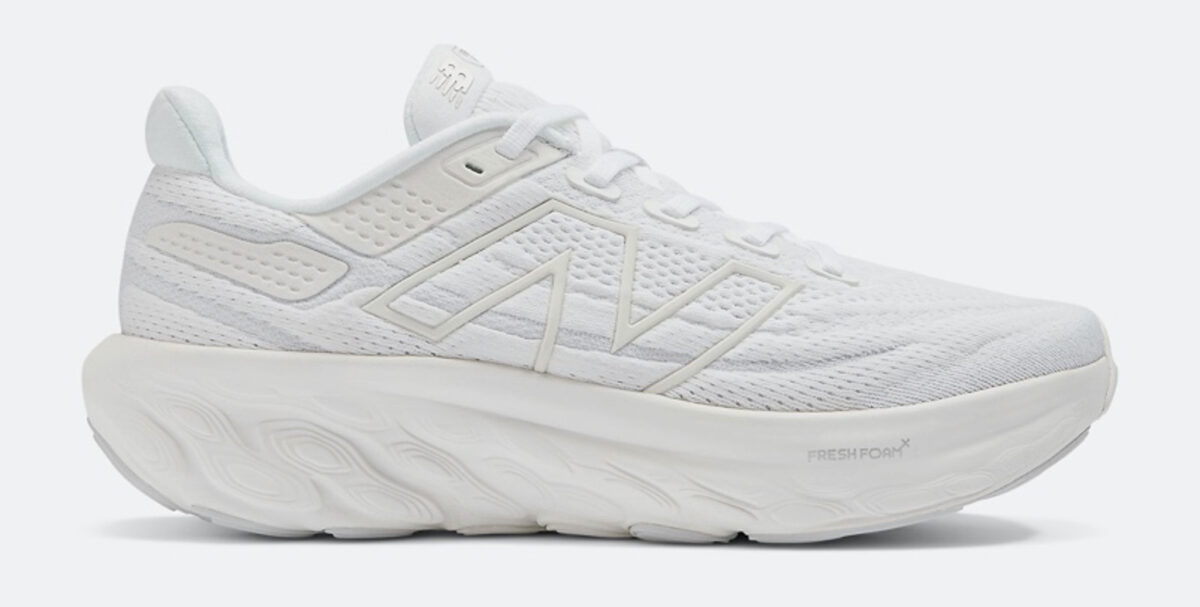
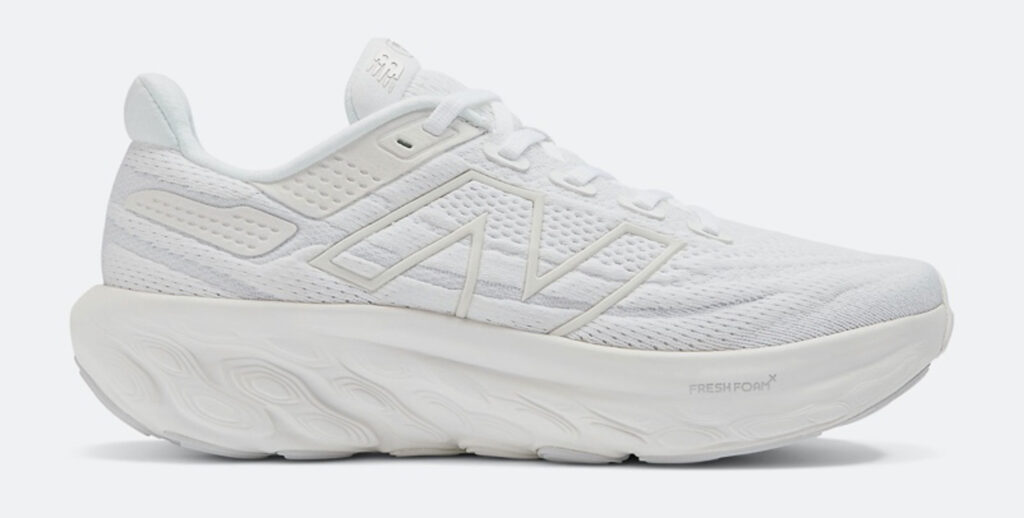
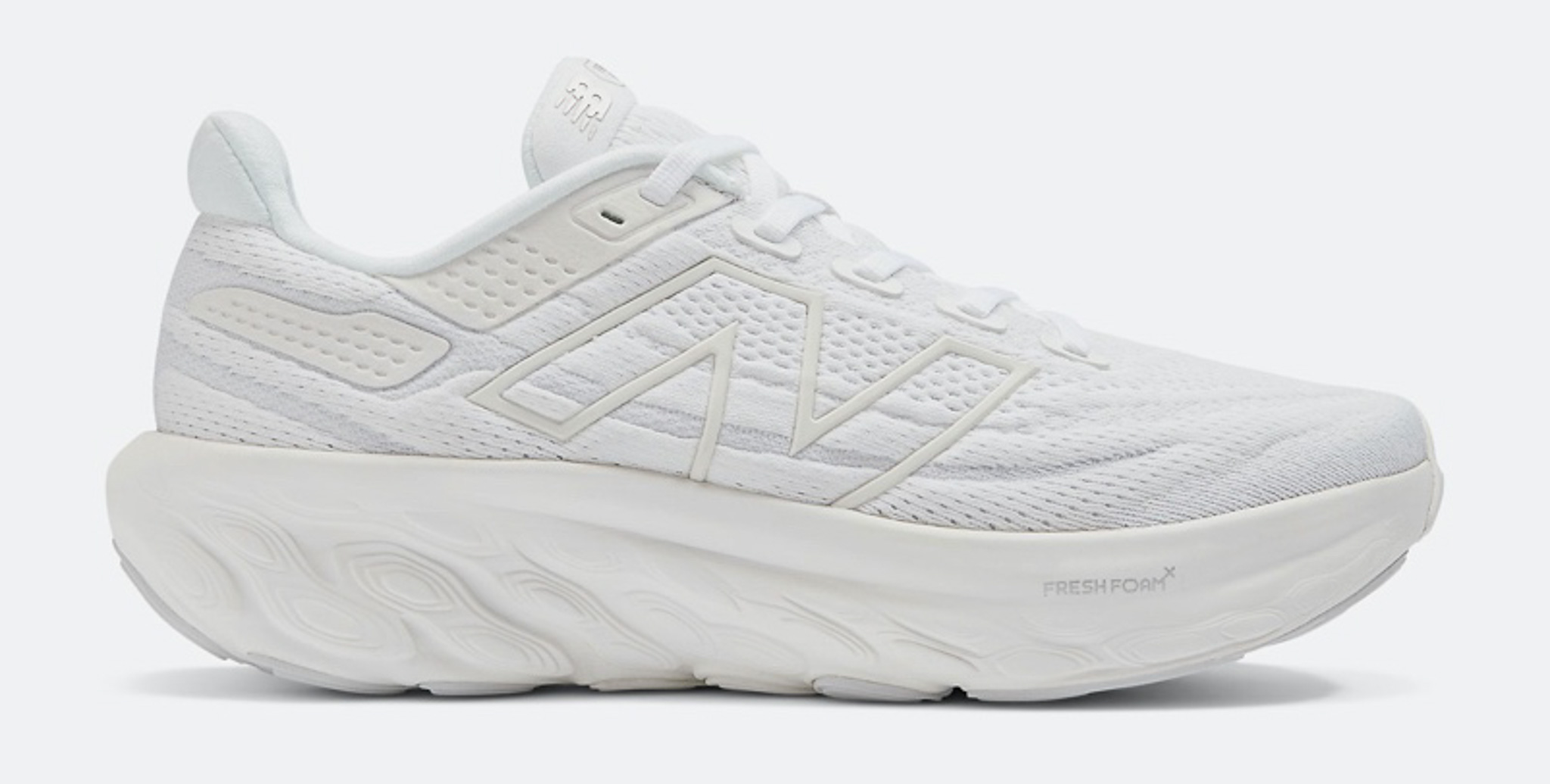
New Balance Fresh Foam 1080v11

New Balance Fresh Foam

These shoes are great for people with Morton’s neuroma because they have soft cushioning and a big toe box. The Fresh Foam midsole absorbs shock better, and the roomy toe box lets your toes spread out, taking pressure off your heel.

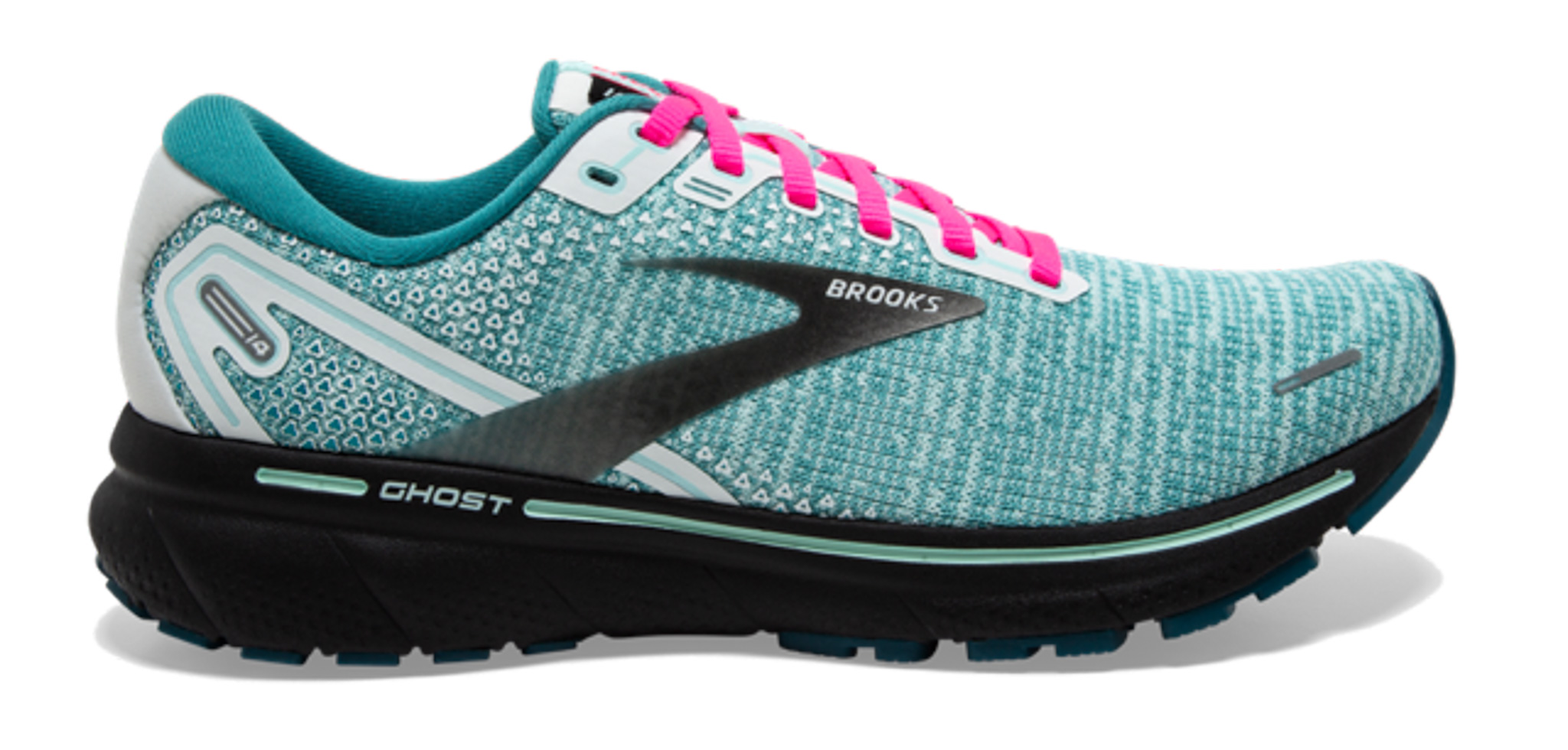
Brooks Ghost 14

Brooks Ghost

The Brooks Ghost 14 is great for people with Morton’s neuroma because it has the right number of cushions and support. The BioMoGo DNA cushioning molds to your foot’s natural shape, customizing comfort, and the Segmented Crash Pad smooths heel-to-toe movements.

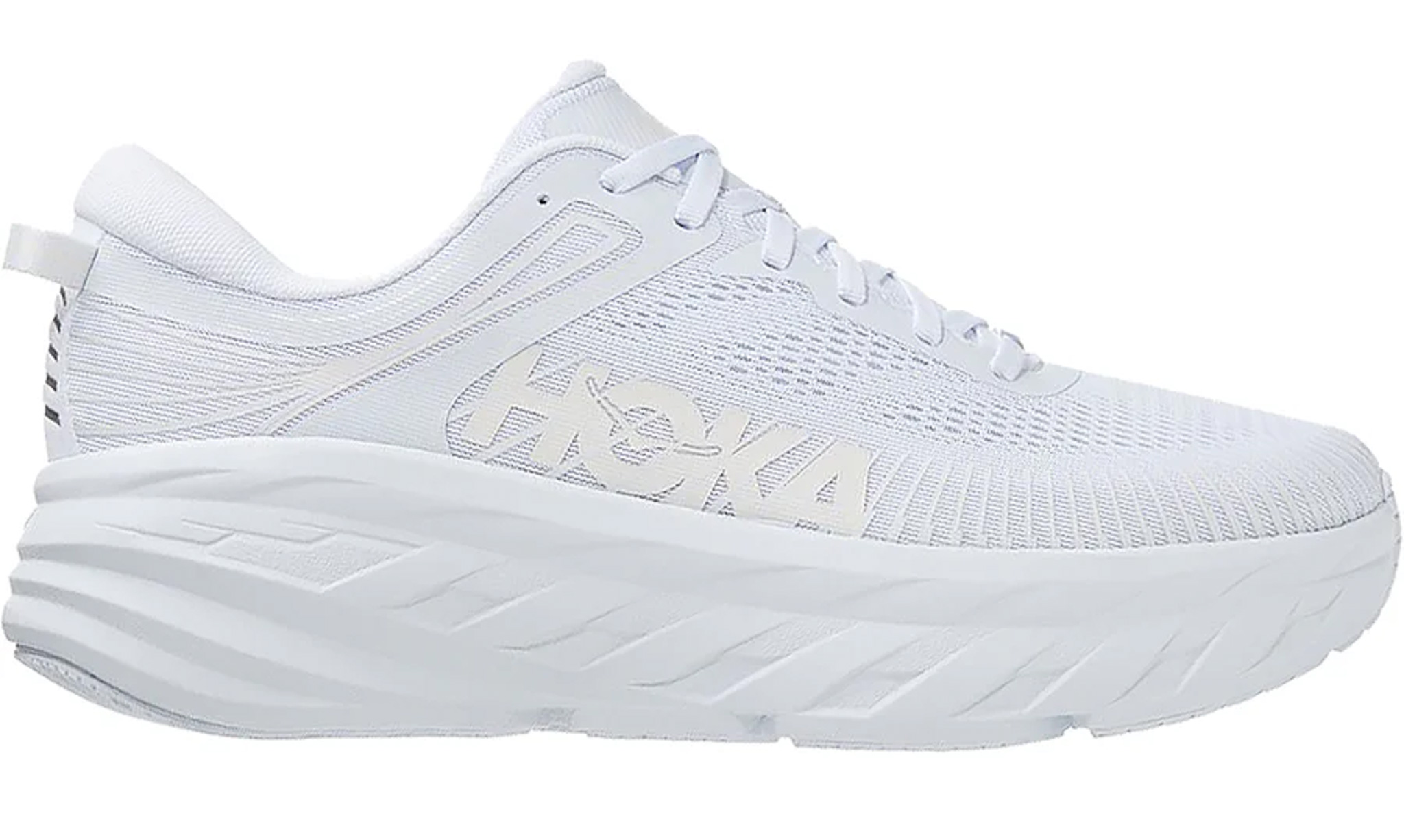
The Hoka One One Bondi 7

The Hoka One One Bondi 7

The Hoka One One Bondi 7 is very comfortable and supportive for people with Morton’s neuroma because it has a wide base and a lot of cushioning. The Meta-Rocker geometry allows you to walk more smoothly, reducing stress on your heel. The soft EVA midsole gives you the best cushioning possible.

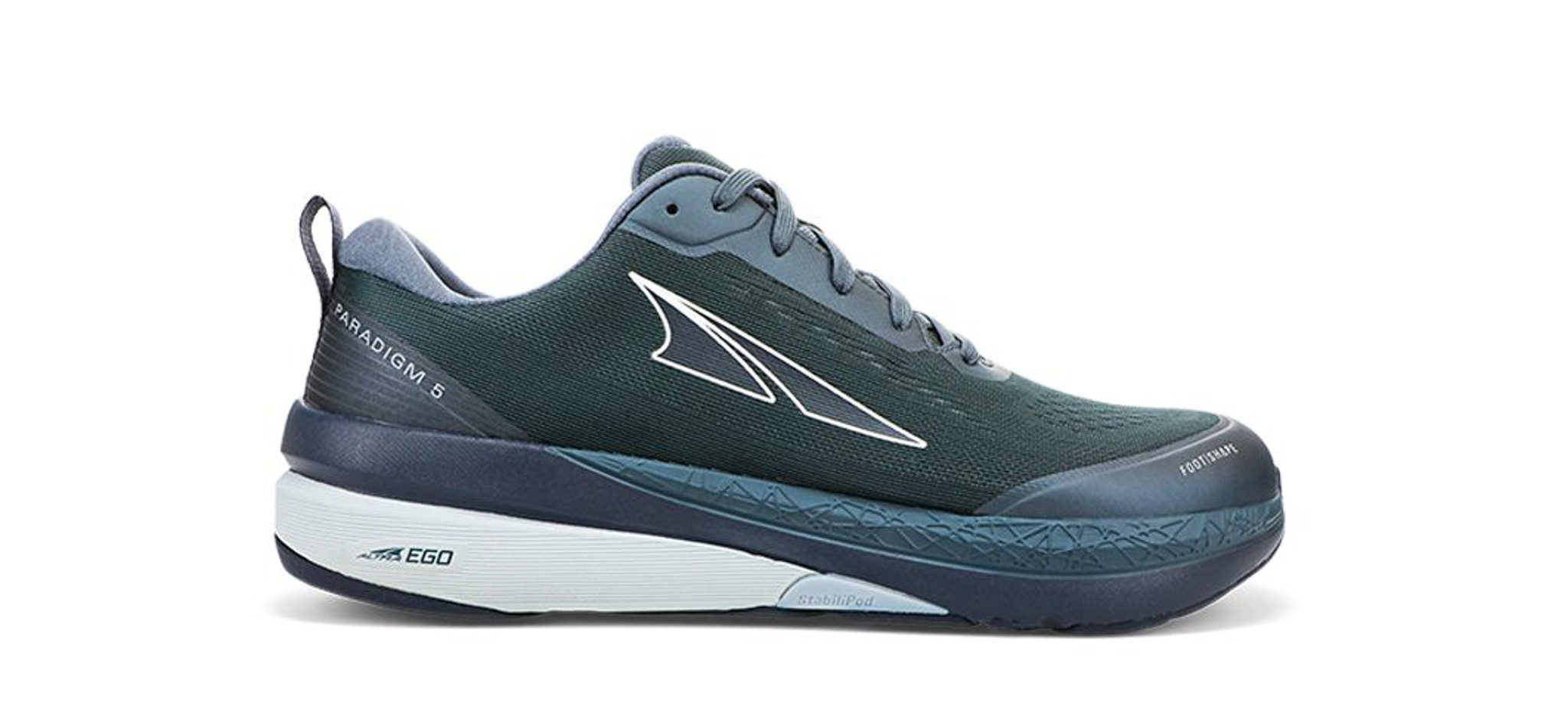
The Altra Paradigm 5

The Altra Paradigm 5

This shoe has a Zero Drop platform and a FootShape toe box, which allow your feet to position and spread out naturally. The Altra EGO midsole provides quick cushioning, while the StabiliPods and GuideRail support system makes it more stable and reduces overpronation.

The Saucony Triumph 19 

This is an excellent choice for people with Morton’s neuroma because it has soft support and a roomy toe box. Its PWRRUN+ midsole makes the ride soft and springy, and its FORMFIT technology molds to the shape of your foot to make it fit perfectly.

The shoes shown here are just a few of the many choices people with Morton’s neuroma have in 2024. When picking out shoes, comfort, support, and a good fit should be your top priorities to get the best foot health and control of symptoms. Try on shoes with cushioned inserts or custom-made orthotics to get even more support and comfort for Morton’s neuroma.

To make sure you get a nice and supportive fit when trying on shoes with orthotic inserts for Morton’s neuroma, keep these tips in mind:

Select Shoes with Removable Insoles: 

Seek footwear with removable backs or footbeds. This makes it easy to switch out the insole that came with the shoe for your orthotic insert without changing how it fits or feels.

Choose Shoes with Plenty of space: 

Select shoes with a spacious toe box and enough width to fit your foot and the orthotic insert. Don’t wear shoes that feel too tight or squeezing, as these can make your Morton’s neuroma symptoms worse and cause pain.

Make sure your foot is aligned correctly: 

The orthotic insert should support your foot and help it stay in the right place. It should support the arch, soften the heel, and spread the pressure evenly across the foot to make the affected area feel less stressed.

Test different Inserts: 

Try out various orthotic inserts to discover the one that fits your foot the best and gives you the most pain relief for Morton’s neuroma. While some people may benefit from off-the-shelf inserts, others may require custom-made braces.

Allow for Adjustment Period

Give yourself some time to get used to wearing shoes with orthotic inserts. Some people may need time to get used to how the inserts support and balance their feet. Start by putting on the shoes for a short amount of time. As your feet get used to them, slowly add more time.

Seek Professional Advice: 

If you need help choosing the right orthotic inserts for your needs, you should talk to a podiatrist. They can look at your foot’s structure, how you walk, and your Morton’s neuroma signs to help you choose the best inserts.

Follow these tips and take the time to analyze shoes with orthotic inserts properly. You can find shoes that give you the support and comfort you need to manage Morton’s neuroma symptoms effectively.

In conclusion, people with Morton’s neuroma can choose from a wide range of great shoes in 2024. Brands like New Balance, Brooks, Hoka One One, Altra, and Saucony have kept coming up with new ideas for shoes that prioritize comfort, support, and a good fit. These shoes effectively control Morton’s neuroma symptoms due to their soft padding, wide toe boxes, supportive midsoles, and interchangeable inserts.

In 2024, the most important things to look for in the best shoes for Morton’s neuroma are comfort, support, and a good fit. To ease the pressure on the nerve and keep your foot in the right place, look for shoes with lots of cushioning, a wide toe box, and enough arch support. Try shoes with cushioned inserts or custom-made insoles.

The First Step

Get lasting relief from Morton’s neuroma at Morton’s Neuroma Center.

Mobility without pain is key to living your fullest life. Once a Morton’s neuroma has formed, conservative treatments like adjusting your footwear are often inadequate to take away the symptoms. As a result, you may find yourself avoiding certain activities and living a more sedentary lifestyle. 

You deserve a solution. We are leaders in Morton’s neuroma treatment using cryosurgery. Many of our patients experience total symptom relief after one treatment. Choose Morton’s Neuroma Center for your Morton’s neuroma treatment to receive the most compassionate and cutting-edge care available.