Introducing Gotham Footcare, home to award-winning board-certified podiatrists in New York City. Renowned for their exceptional expertise in foot and ankle care, Gotham Footcare has consistently ranked among the top three foot and ankle surgeons in Manhattan, securing this prestigious accolade for seven consecutive years.
Explore Gotham Footcare, a premier destination for renowned board-certified podiatrists in New York City. With a strong reputation for exceptional foot and ankle care, Gotham Footcare consistently ranks among the top three foot and ankle surgeons in Manhattan, earning this prestigious recognition for seven consecutive years. Discover our blog focused on footwear adjustments to alleviate pain from Morton’s neuroma and MTP synovitis. Learn about the effectiveness of corticosteroid injections for these conditions and gain insights into the benefits and considerations of this treatment approach. At Gotham Footcare, our specialized foot doctors are experts in addressing Morton’s neuroma, globally acknowledged for their success in treating chronic cases. With extensive experience and a track record of handling numerous cases, our team delivers precise and compassionate care for various foot conditions.
Footwear Adjustments to Relieve Pain from Morton’s Neuroma and MTP Synovitis
Morton’s neuroma and MTP (metatarsophalangeal) synovitis are common problems with the feet that can be very painful and make it hard to do normal things. Morton’s neuroma occurs when tissue thickens around a nerve that travels to the toes. This can cause sharp, burning pain in the ball of the foot or between the toes. When the synovial membrane around the joints at the base of the toes gets inflamed, it leads to pain, swelling, and stiffness. This is called MTP synovitis.
Wearing the right shoes is one of the most important things you can do to help manage the signs of these conditions. The right shoes can take pressure off of the hurt areas, support and soften your feet, and make your feet feel better overall. This guide will discuss some changes and things to consider when it comes to shoes that can help people with Morton’s neuroma and MTP synovitis feel better and continue living a busy and comfortable life.
Morton’s Neuroma and MTP Synovitis Overview
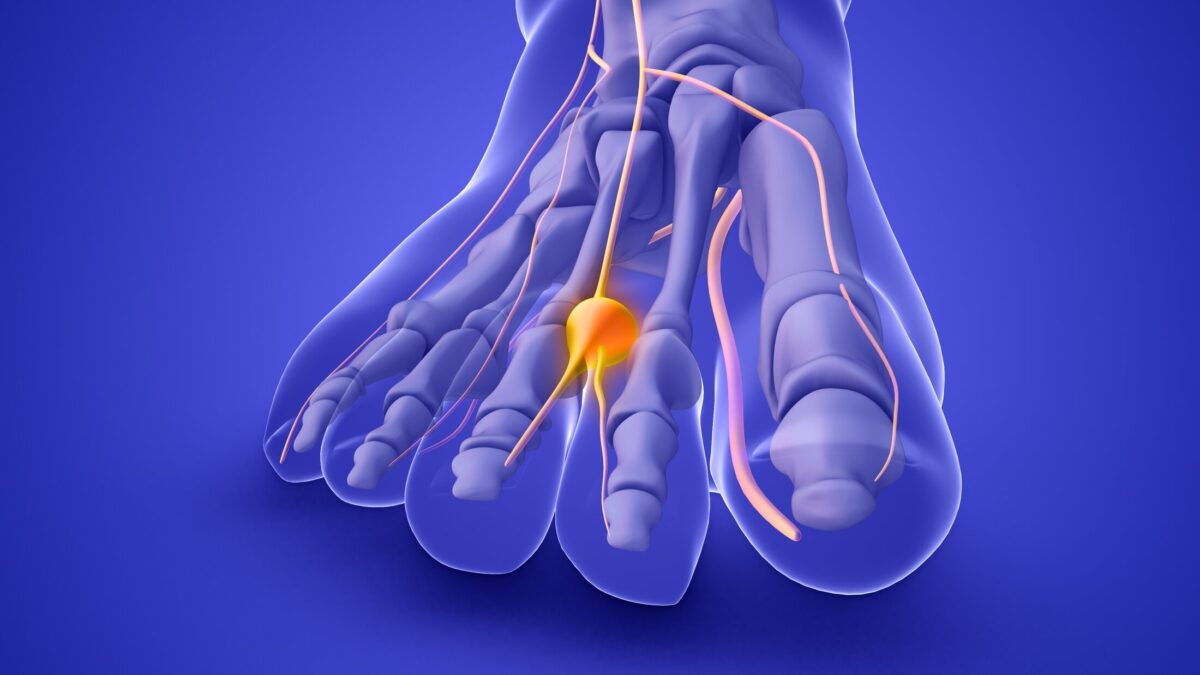
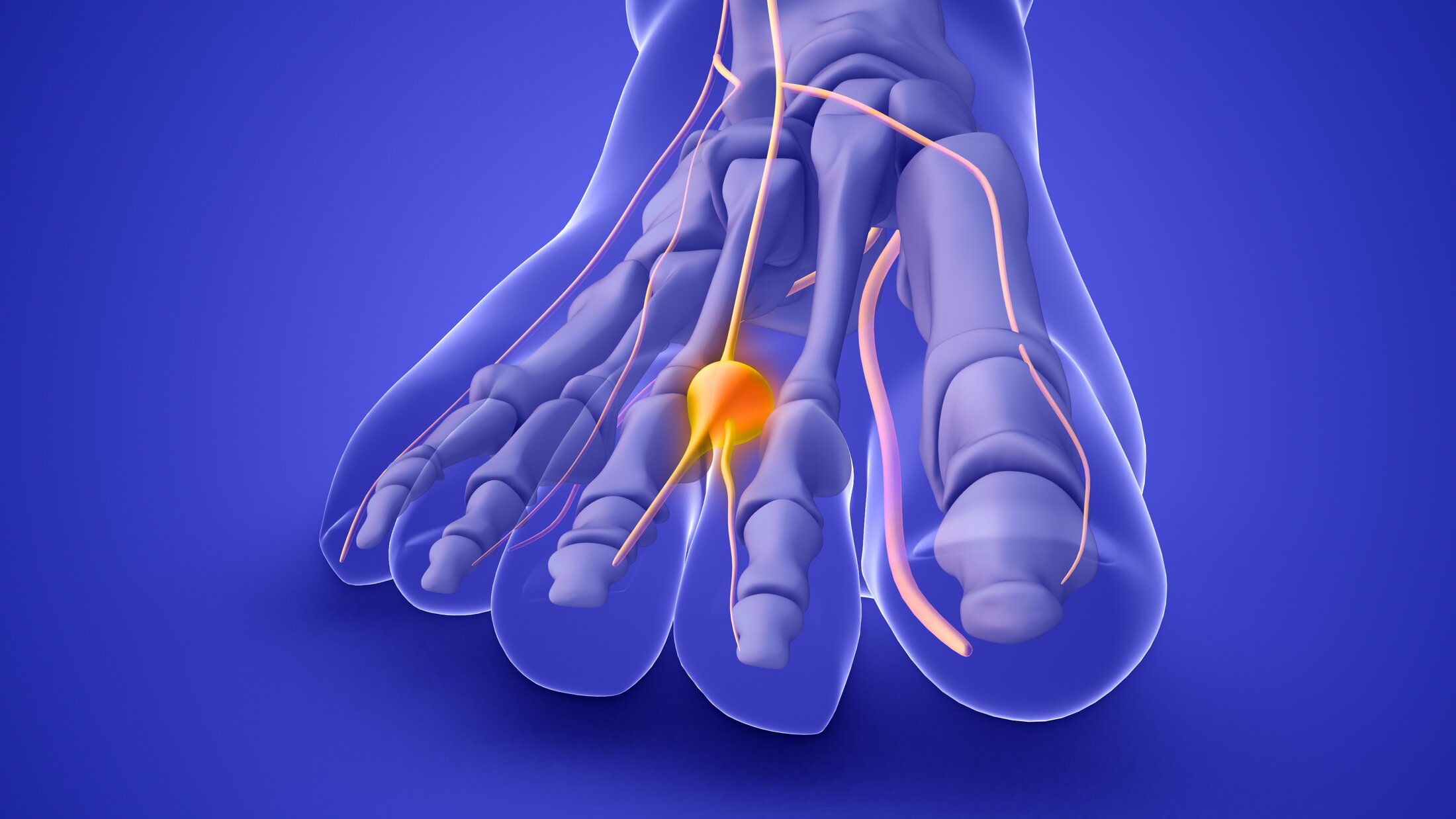
When you have Morton’s neuroma, the nerves in the ball of your foot, usually between your third and fourth toes, become painful. It happens when the flesh around a nerve in the foot gets thicker, putting pressure on the nerve and making it itch. This might make the ball of your foot hurt very badly, or you might feel like you’re stepping on a pebble or a fold in your sock. When you walk or wear shoes that are too tight, you put pressure on your forefoot over and over again, which can make Morton’s neuroma worse.
This is different from MTP synovitis, which is an inflammation of the synovial membrane around the joints at the base of the toes. This inflammation can cause the joints to hurt, swell, and stiffen, making it difficult to walk or put weight on the foot. MTP synovitis can occur for a variety of reasons, such as excessive use, problems with the body’s mechanics, or inflammatory diseases like arthritis.
Morton’s neuroma and MTP synovitis can both have a big effect on a person’s quality of life by making them uncomfortable and reducing their ability to move around. For relieving symptoms and boosting foot health, it’s important to get the right diagnosis and treatment, which may include making the right shoe changes.
Importance of Proper Footwear for Managing Symptoms
Getting the right shoes is very important for controlling Morton’s neuroma and MTP synovitis symptoms because they have a direct effect on the foot’s health, comfort, and support. Redistributing pressure across the foot is one of the best things about wearing the right shoes. This takes pressure off of muscles and joints that are inflamed or sensitive. When you do weight-bearing activities, shoes with lots of cushioning and support help absorb shock. This lowers the pressure on the affected areas and reduces pain and discomfort. Proper footwear is very important for people with these conditions because it supports the feet and makes it easier for them to do daily tasks.
Additionally, well-fitting shoes with a spacious toe box prevent toe compression and rubbing, which can exacerbate symptoms of Morton’s neuroma and MTP synovitis. A bigger toe box lets your toes spread out naturally, which takes pressure off your feet and keeps your nerves and joints from getting irritated. Proper arch support also helps keep the foot in its normal position, which puts less stress on the metatarsal bones and tissues around them. This support not only makes you feel better, but it also improves your foot motion, which lowers your risk of making your symptoms worse or getting more foot problems.
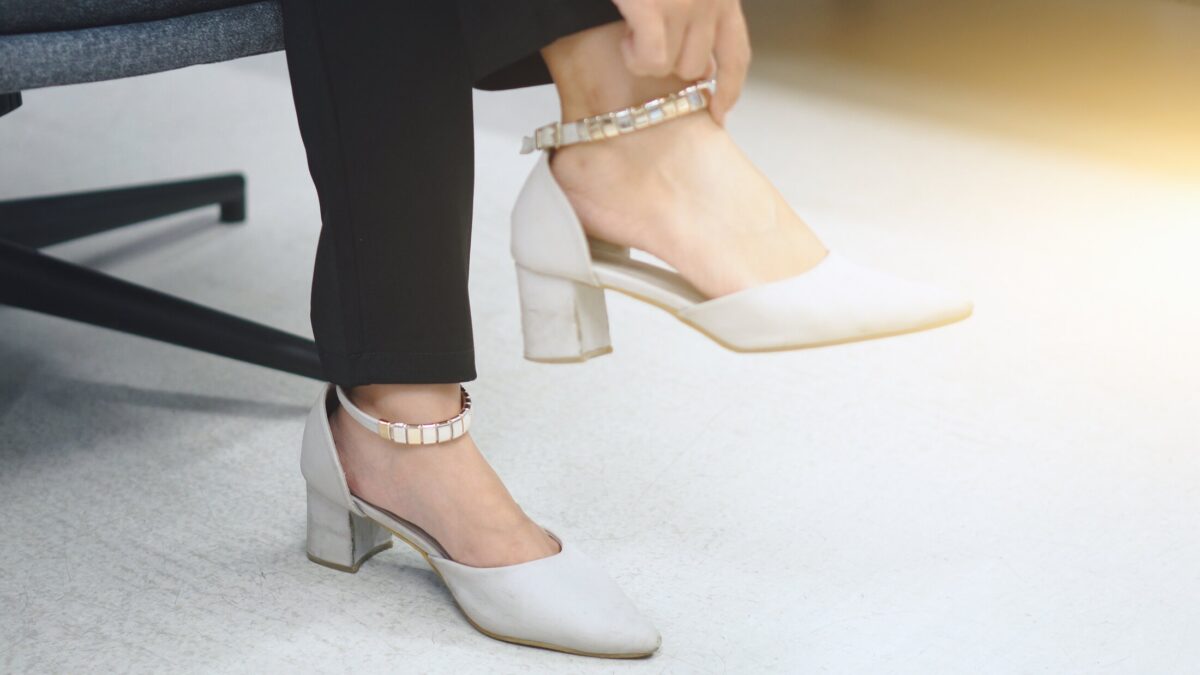
Choosing shoes with a flat sole or a low heel is also important for controlling Morton’s neuroma and MTP synovitis. When you wear high shoes, your body weight may shift forward, putting more pressure on your foot’s ball and making the pain worse. Lower heel height shoes evenly distribute the foot’s weight, enhancing the stability and balance of your walk. Also, shoes made of breathable materials let air flow through and stop you from sweating too much and letting wetness build up, which lowers your risk of fungal infections and skin irritation. For people with Morton’s neuroma and MTP synovitis, wearing the right shoes is important for relieving their symptoms, maintaining good foot health, and raising their overall quality of life.
General Considerations for Footwear Selection
Proper Fit: Choose shoes that fit comfortably and consider the shape of your feet. Styles that are too tight or narrow can hurt your toes and make your complaints worse. If you want your toes to move naturally and avoid pressure, look for shoes with a lot of room in the toe box.
Support and Cushioning: Choose shoes with enough cushioning in the sole to absorb shock and lessen the effect of walking and other activities. Additionally, opt for shoes that provide sufficient arch support to maintain proper foot alignment and prevent stress on the metatarsal bones and surrounding muscles.
Toe Box Width: To keep your feet and toes from getting sore, choose shoes with a wide toe box. A spacious toe box facilitates proper toe spread and prevents compression of nerves and joints in those areas. Avoid shoes with sharp or narrow toe boxes because they can make it difficult to move your toes and worsen your pain.
Low Heel Height: A shoe with a low heel or a flat bottom will put less pressure on your forefoot and help you walk more naturally. People who wear high heels may move their body weight forward, which puts more pressure on the ball of the foot and worsens Morton’s neuroma and MTP synovitis symptoms.
Breathable Materials: Look for shoes made from materials that let air flow, like leather or mesh, to keep your feet from sweating too much and causing wetness to build up. Shoes that allow your feet to breathe help keep your feet clean and reduce your risk of contracting fungal diseases and skin irritations.
Adjustable Features: Seek shoes with adjustable features, such as laces or straps, to customize the fit to accommodate various foot shapes and sizes. Precisely adjustable closures ensure a safe and comfortable fit throughout the day.
Stability and Traction: When shopping for shoes, make sure they have good stability and traction so you don’t slip and fall, especially on areas that aren’t smooth or are slippery. For better stability and grip while moving, choose shoes with a supportive midsole and a durable bottom.
People with Morton’s neuroma and MTP synovitis can find shoes that are best for their feet in terms of comfort, support, and safety if they follow these general shoe buying tips. This will help ease their symptoms and improve their overall foot health.
Custom Orthotics and Shoe Inserts
Custom orthotics and shoe inserts are very helpful extra tools for making shoes more comfortable and controlling Morton’s neuroma and MTP synovitis symptoms. Each person’s foot anatomy and physical needs determine the fit of custom orthotics. They provide personalized support and alignment correction, which can take pressure off of painful areas and make walking more comfortable. We make these orthotic devices after thoroughly analyzing the foot’s structure, its movement during walking, and any specific problems. This makes sure that they fit and work perfectly.
People with Morton’s neuroma or MTP synovitis can benefit greatly from over-the-counter shoe inserts and custom supports. Even though they aren’t made just for one person’s foot, these premade inserts come in many shapes, sizes, and materials to help with common foot problems like arch support, cushioning, and correcting foot alignment. Over-the-counter inserts can be a cheap and easy way to get custom orthotics. They can assist people with foot pain or soreness right away, making their shoes more comfortable.
For people with Morton’s neuroma and MTP synovitis, it’s important to choose shoe supports that provide enough support, cushioning, and stability. Look for inserts that have metatarsal pads or cushions to help ease pressure on the ball of the foot and arch support to help keep the foot in the right place and lessen stress on the metatarsal bones. Also, think about inserts made of cushioning materials like foam or gel to absorb shock and lower pressure while walking and doing other activities.
Custom orthotics and shoe inserts can help people with Morton’s neuroma and MTP synovitis by ensuring they wear the right shoes and handle their symptoms. Whether they are custom-made or already made, these orthotic devices support, cushion, and fix alignment to make feet more comfortable, help the feet work better, and raise the quality of life for people with these conditions. Working with a medical professional or podiatrist can help you figure out which orthotic intervention is best for your wants and preferences.
In conclusion, it’s impossible to say enough about how important it is to make changes to your shoes in order to ease the pain of Morton’s neuroma and MTP synovitis. People can greatly reduce pain, protect sensitive areas, and improve general foot health by putting proper fit, cushioning, support, and other important factors first. When choosing shoes for people with Morton’s neuroma and MTP synovitis, it’s important to make sure they have roomy toe boxes, supportive arches, padded soles, and low heel heights. Additionally, custom orthotics and shoe inserts are useful extra supports that offer unique relief and make daily activities more comfortable. People can improve their movement, feel less pain, and have a better quality of life by making changes to the shoes they wear. It is very important to get personalized advice from doctors or podiatrists on how to best treat these problems and maintain good foot health over time.
Authored for Gotham Footcare.
FAQ’s
What types of footwear adjustments can help relieve pain from Morton’s neuroma and MTP synovitis?
Proper footwear adjustments can provide relief for Morton’s neuroma and MTP synovitis. Gotham Footcare recommends wearing shoes with a wide toe box to reduce pressure on the toes, opting for cushioned insoles or orthotic inserts for added support, and choosing low-heel or flat shoes to minimize strain on the foot.
Are there specific shoe styles that are best for managing Morton’s neuroma and MTP synovitis pain?
Certain shoe styles are more beneficial for managing pain associated with Morton’s neuroma and MTP synovitis. Gotham Footcare suggests selecting shoes with ample cushioning in the forefoot area, avoiding narrow or pointed-toe shoes that can compress the toes, and opting for adjustable closures like laces or straps for a customized fit and reduced pressure on the affected areas.
How can footwear adjustments improve comfort and reduce symptoms of Morton’s neuroma and MTP synovitis?
Making appropriate footwear adjustments can significantly improve comfort and alleviate symptoms of Morton’s neuroma and MTP synovitis. Gotham Footcare emphasizes the importance of wearing supportive shoes with adequate arch support, shock-absorbing properties, and proper cushioning to reduce impact on the foot. By choosing footwear that promotes proper alignment and reduces pressure on sensitive areas, individuals can experience relief from pain and discomfort associated with these conditions.
Explore into Gotham Footcare, a distinguished hub for board-certified podiatrists in New York City, renowned for their excellence in foot and ankle care. With a longstanding reputation as a top-tier foot and ankle surgical practice in Manhattan, Gotham Footcare has secured this esteemed accolade for seven consecutive years. Uncover our informative blog dedicated to distinguishing between Morton’s neuroma pain and other foot conditions. Discover the nuances of identifying these conditions accurately and learn about the diagnostic techniques employed by our expert podiatrists. Gotham Footcare’s specialized team excels in providing precise and compassionate care for a range of foot conditions, ensuring optimal outcomes for each patient. To schedule an appointment with our experienced specialists, please call 917-979-2692. Gotham Footcare boasts convenient locations in both midtown and downtown Manhattan, offering accessible foot and ankle care tailored to your needs.
How to Differentiate Between Morton’s Neuroma Pain and Other Foot Conditions
There are many things that can cause pain in the foot, so it’s important to get a correct evaluation for effective treatment. There are a lot of different foot conditions, but Morton’s neuroma stands out because it has unique signs and traits. As a result, it can be hard to tell Morton’s neuroma pain from other foot diseases that have similar symptoms. To provide tailored interventions and ease pain, it is important to understand the subtleties of these conditions and use the right diagnostic methods.
This blog post goes into detail about how hard it is to tell the difference between Morton’s neuroma pain and pain from other common foot problems. We start by reviewing Morton’s neuroma, then focus on what makes it unique and what puts people at risk of getting it. Next, we’ll talk about some foot problems that have signs that are similar to Morton’s neuroma. These include metatarsalgia, plantar fasciitis, capsulitis, and stress fractures. By making clear what makes each illness unique, we hope to give doctors and patients the information they need to make accurate diagnoses and custom treatment plans.
Morton’s Neuroma Overview
Morton’s neuroma, also known as intermetatarsal neuroma, is a painful condition in which tissue thickens around a nerve in the foot’s ball. It mostly happens on the nerve between the third and fourth toes, but it can also happen between other toes. This condition usually happens when the tissue around the nerve gets irritated or inflamed. It can cause sharp or burning pain, tingling, numbness, and the feeling of having a rock or pebble under the ball of the foot. Morton’s neuroma can get worse when you do things that put pressure or pain on your forefoot over and over again, like wearing high heels or playing sports with a lot of impact. Morton’s neuroma doesn’t always have a clear cause, but foot deformities, repeated stress, wearing the wrong shoes, and biomechanical problems may all play a role in how it develops. Some non-invasive ways to treat Morton’s neuroma are wearing supportive shoes, using orthotics, getting corticosteroid injections, going to physical therapy, and, in some cases, surgery to restore or remove the damaged nerve tissue.
Morton’s Neuroma Common Foot Conditions with Similar Symptoms
Morton’s Neuroma has signs that are similar to those of a number of other common foot problems, such as:
People who have pain or swelling in the ball of their foot are said to have metatarsalgia. Like Morton’s Neuroma, it can make the area around the forefoot hurt very badly or even burn. It can also tingle and make you feel numb. Running, walking, or wearing high heels can put too much stress on the metatarsal heads, leading to metatarsalgia.
People with plantar fasciitis have inflammation of the plantar fascia, which is a thick band of muscle that runs along the foot’s bottom. Although heel pain is the main sign of plantar fasciitis, it can also cause pain and stiffness in the forefoot, which may be similar to the signs of Morton’s Neuroma.
Pain in the ball of the foot called capsulitis is caused by inflammation of the joint capsule. This usually happens in the second metatarsophalangeal joint. Like Morton’s neuroma, capsulitis can make the forefoot hurt, grow, and feel uncomfortable, especially when you put weight on it. Based on signs alone, it might be hard to tell the difference between capsulitis and Morton’s Neuroma.
When you abuse or stress a bone too much, it can crack or break very slightly. This is called a stress fracture. The metatarsal bones in the foot can break under stress, causing pain, swelling, and soreness in the area. If you think you might have Morton’s neuroma along with a stress fracture, it’s important to keep this in mind while you’re diagnosing. Some of these diseases have symptoms that are similar to Morton’s neuroma, but they are all different and have their own causes. A doctor’s correct diagnosis, which usually includes a physical exam, imaging tests, and a review of the patient’s medical history, is necessary to correctly identify the condition and determine the best course of treatment.
Diagnostic Methods for Morton’s Neuroma
Clinical examinations, imaging studies, and occasionally diagnostic injections are the main methods used to diagnose Morton’s neuroma. These are the primary methods used to make diagnoses:
Clinical examination: The doctor or nurse will start by doing a full clinical assessment, which could include:
Palpation involves directly pressing down on the ankle to feel for sore spots or a lump that could indicate Morton’s neuroma.
Mulder’s Sign: To make this sign, you must squeeze the metatarsal heads and pinch the forefoot at the same time. This can cause the patient’s symptoms to return and produce a sound that supports the diagnosis of Morton’s neuroma.
Imaging Studies:
X-rays: X-rays don’t show Morton’s Neuroma directly, but they are often used to rule out other diseases like arthritis or stress fractures. X-rays may also show signs of problems with the feet or the metatarsals.
It is common to use ultrasound imaging to see nerves, neuromas, and other soft tissue structures in the foot. It can show moving pictures in real time and help figure out Morton’s Neuroma’s size, position, and features.
Magnetic Resonance Imaging (MRI): MRI is a very sensitive imaging method that can show nerves and other soft tissues in great detail. It is especially helpful for seeing Morton’s neuroma and figuring out how it fits in with the structures around it.
Diagnostic Injections:
Local Anesthetic Injection: The doctor can administer a diagnostic shot of a local anesthetic, such as lidocaine or bupivacaine, to numb the injured nerve and alleviate the pain. If the patient feels a lot less pain right after getting the shot, that could help the doctor confirm that they have Morton’s neuroma.
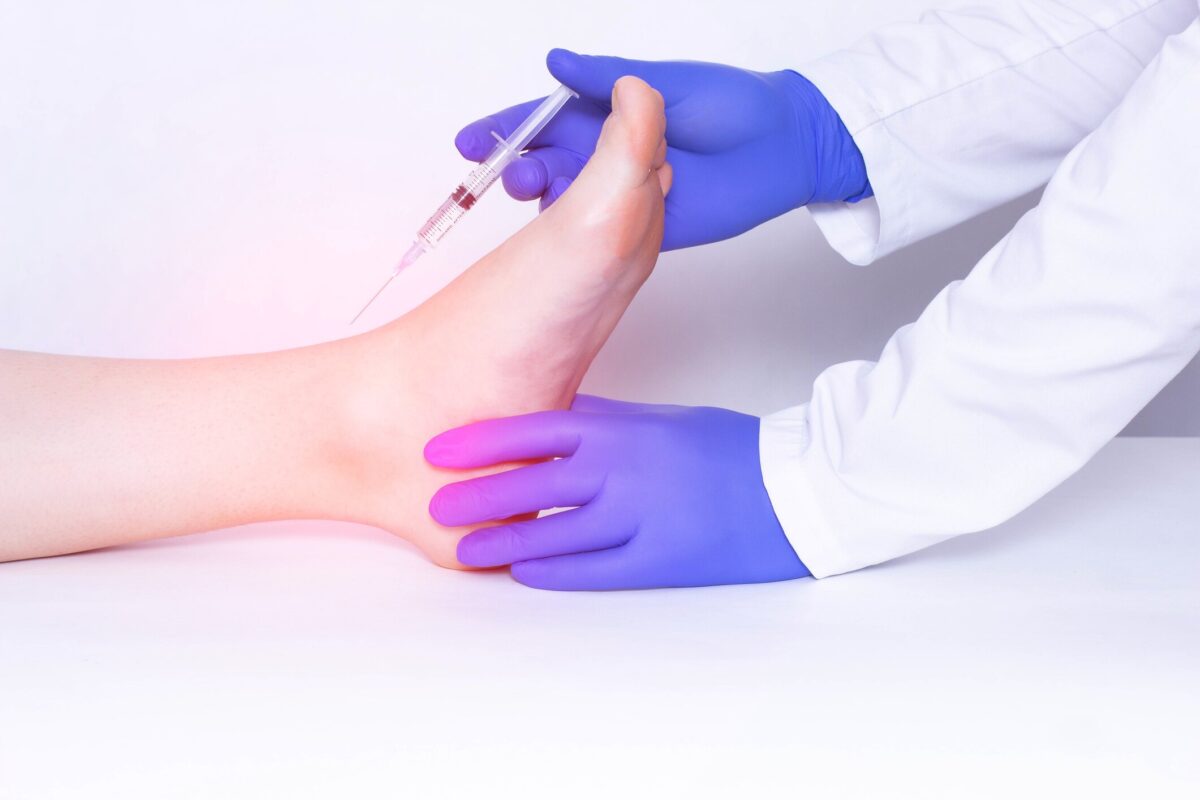
Corticosteroid Injection: Additionally, doctors can diagnose Morton’s neuroma with corticosteroid shots, and they can also treat the condition by reducing swelling and pain.
When doctors combine these testing methods, they can accurately diagnose Morton’s neuroma, distinguish it from other foot conditions with similar symptoms, and develop a customized treatment plan for each patient. To get a correct diagnosis and good care for Morton’s neuroma, patients need to be able to explain their symptoms properly and go through a full evaluation.
It is important to be able to distinguish between it and other foot conditions that have similar symptoms in order to effectively treat and handle the condition. A thorough clinical evaluation, which includes methods for palpation and special tests like Mulder’s sign, helps doctors find out if someone has Morton’s neuroma and rule out other possible diagnoses. Imaging tests, like ultrasound and MRI, are also very important for seeing soft tissue structures and proving that Morton’s neuroma is present. Diagnostic shots, such as those with a local anesthetic or corticosteroid, can help doctors figure out what’s wrong and give patients pain relief.
By looking at things like where the pain is, what causes it, and how the patient responds to treatment, doctors can narrow down the possible diagnoses and come up with personalized treatment plans that get to the root of the symptoms. This method not only ensures effective symptom relief but also helps prevent problems and enhances long-term foot health. Also, educating and involving the patient is an important part of the diagnostic process because it helps people understand their condition, have a say in their care, and take preventative steps to lower their risk of recurrence or progression.
Authored for Gotham Footcare.
FAQ’s
1- How can I differentiate between Morton’s neuroma pain and other foot conditions?
To distinguish between Morton’s neuroma pain and other foot conditions, Gotham Footcare recommends paying attention to the location of the pain. Morton’s neuroma typically causes pain in the ball of the foot or between the toes, while conditions like plantar fasciitis may result in heel pain. Additionally, Morton’s neuroma pain often worsens with pressure or wearing tight shoes, whereas arthritis pain may worsen with movement.
2- What are the common symptoms that can help identify Morton’s neuroma versus other foot issues?
Common symptoms that can aid in identifying Morton’s neuroma include a sharp or burning pain in the forefoot, numbness or tingling in the toes, and the feeling of a pebble or lump under the ball of the foot. Gotham Footcare suggests that if the pain radiates to the toes and is accompanied by a clicking sensation while walking, it may indicate Morton’s neuroma rather than other foot conditions.
3- Are there specific tests or examinations that can help differentiate between Morton’s neuroma pain and other foot problems?
Gotham Footcare recommends specific tests and examinations to differentiate between Morton’s neuroma and other foot issues. These may include physical exams to assess the location and nature of the pain, imaging studies like ultrasound or MRI to visualize the affected area, and diagnostic injections to confirm the source of the pain. Consulting with a podiatrist at Gotham Footcare can help accurately diagnose and differentiate Morton’s neuroma from other foot conditions.
At Gotham Footcare, we take pride in offering top-tier care for foot and ankle conditions, with a special focus on treating and curing Morton’s neuroma. Our team of highly sought-after foot surgeons has performed thousands of Morton’s neuroma procedures, helping countless patients find relief from this painful condition. Over the years, our expertise and dedication have not gone unnoticed; the foot surgeons at Gotham Footcare have been recognized as one of New York’s top 3 best doctors for seven consecutive years. When it comes to your foot health, you can trust that you’re in the hands of some of the best specialists in the field.
Morton’s Neuroma Treatment: Deciding to Remove or Repair the Nerve with Cryosurgery
When you have Morton’s neuroma, your foot’s ball hurts. Usually, it hurts between your third and fourth toes. It happens when the muscle around one of the nerves that goes to the toes gets thicker. This can make the ball of the foot hurt very badly. The swelling occurs due to irritation, excessive pressure, or injury to the nerve
To quickly diagnose and effectively treat Morton’s neuroma, it is important to understand what it is and how to spot its signs. People with these symptoms should see a doctor to confirm the diagnosis and explore the best treatment options.
Conservative Treatments for Morton’s Neuroma
Modifications to orthotics and footwear
Custom orthotics: Custom orthotics are shoe inserts made specifically for you that support the injured area and relieve pressure.
Padding: Padding means putting pads in your shoes to protect your nerves and soften your football.
Footwear Modifications: Choose shoes with a larger toe box to prevent squishing of your toes, and opt for low heels to alleviate pressure on your forefoot.
Activity modification
Avoiding High-Impact Activities: Reduce or modify activities such as running and jumping that exert excessive pressure on the foot’s ball.
Alternating Activities: Change up your workouts by adding low-impact activities like swimming or riding to your schedule.
Strength training and physical therapy
Stretching Exercises: Specifically, designed stretches to make the muscles in your feet and calves more flexible.
Strengthening Exercises: These are exercises that make the muscles in your foot and lower leg stronger. This can help your foot move better and take pressure off of the neuroma.
Physical therapy: techniques performed by a physical therapist to move the joints and soft parts of the foot.
Medications and Injections
Anti-inflammatory drugs, or NSAIDs: You can purchase these pain relievers and inflammation fighters over-the-counter or with a prescription.
Corticosteroid Injections: Injections of corticosteroids temporarily reduce swelling and pain in the body.
Alcohol Sclerosing Injections: These injections of a sclerosing drug, such as alcohol, help shrink the neuroma and ease the pain.
Lifestyle modifications
Weight Management: Weight management means staying at a healthy weight so that your feet don’t have to work as hard.
Regular Footcare: Care for your feet on a regular basis, like getting massages and using ice packs to ease pain and swelling.
Alternative therapies
Acupuncture: Acupuncture treatments can help some people feel better.
Chiropractic Care: Chiropractic care includes adjustments and techniques that a chiropractor uses to help you align your feet and calm your nerves.
Use of Assistive Devices
Metatarsal Pads: To relieve pressure on the neuroma, place metatarsal pads under the ball of the foot.
Toe Spacers: These tools maintain the distance between your toes and relieve pressure on injured nerves.
The goal of conservative treatments is to alleviate symptoms and improve the way your foot functions without surgery. These treatments are often the first ones tried, and they work very well for many people with Morton’s neuroma.
Surgical Interventions for Morton’s Neuroma
When less invasive methods of treating Morton’s neuroma don’t work, surgery may be an option. The main types of surgery are:
Neurectomy (nerve removal)
The procedure involves cutting out the nerve that is hurting.
Technique:
You cut the foot’s dorsal or plantar surfaces.
The surgeon finds the thicker nerve tissue and cuts it out.
We use sutures to close the cut.
Benefits:
It removes the source of the irritation, ending the pain for good.
Drawbacks:
Unfortunately, there is a chance of developing a stump neuroma, which is a painful growth on the end of the cut nerve, which can be more painful than the original symptoms.
There is a chance that the place where the nerve was removed will become numb.
Recovery:
Medication helped with pain and stiffness after surgery.
Over the next few weeks, slowly return to weight-bearing tasks.
It could take a few months to get fully better.
Decompression Surgery
The procedure involves taking pressure off the nerve without cutting it off.
Technique:
The injured area receives a cut.
In order to free up the nerve, the surgeon cuts the ligament between the adjacent metatarsals or tissues around it.
Sutures are used to close the cut.
Benefits:
It keeps the nerve alive, reducing the risk of going numb.
It is less invasive than a neurectomy.
Drawbacks:
It might not work as well for chronic large sized neuromas.
Recovery:
The recovery process is similar to a neurectomy, with a gradual return to normal activities.
To track the healing and efficacy of the decompression, follow-up care is required.
Minimally Invasive Procedures
Endoscopic Surgery:
The procedure utilizes small incisions and a camera to guide the procedure. This procedure often results in a quicker recovery and less postoperative pain compared to traditional open surgery.
Cryosurgery:
Though primarily a conservative treatment, cryosurgery can also be considered a minimally invasive procedure.
To reduce pain and inflammation, it involves freezing the affected nerve
Benefits of Cryosurgery
Minimally Invasive: The process only requires a small cut and doesn’t damage much tissue.
Reduced Recovery Time: Patients often get better faster than with standard surgery.
Less Pain and Scarring: The localized freezing results in less pain and scarring after the treatment.
Repeatable: There is little risk involved in repeating the process.
Post-Procedure Care
Rest and Ice: Patients should elevate their feet and rest to reduce swelling.
Pain Management: We may recommend over-the-counter painkillers to help with pain.
Follow-up: Regular follow-up meetings are held to check on the healing process and see how well the treatment worked.
Deciding Between Nerve Removal and Repair with Cryosurgery
When faced with persistent nerve pain, particularly in the foot, it’s essential to carefully consider your treatment options. The decision often comes down to two primary approaches: nerve removal, also known as neurectomy, or nerve repair with cryosurgery. Each method has its own advantages, but at Gotham Footcare, we consistently recommend cryosurgery over neurectomy, and here’s why.
Cryosurgery offers a minimally invasive solution that targets the problematic nerve, effectively reducing pain without the need for complete nerve removal. One of the main reasons we favor cryosurgery at Gotham Footcare is its higher success rate combined with a lower risk profile compared to neurectomy. By preserving the nerve rather than removing it, cryosurgery minimizes potential complications such as permanent numbness or the chance of painful nerve regrowth.
Given its benefits, we at Gotham Footcare prefer to attempt cryosurgery at least twice before considering a more invasive neurectomy procedure. This approach allows us to maximize the likelihood of pain relief while keeping risks to a minimum. Our goal is always to provide the most effective treatment with the least disruption to your life.
When deciding between nerve removal and cryosurgery, it’s crucial to discuss all your options with a specialist. At Gotham Footcare, we’re committed to offering personalized care tailored to your specific needs, ensuring that you receive the best possible outcome.
What is the difference between a neurectomy and cryosurgery? A neurectomy is a surgical procedure where the problematic nerve is completely removed to alleviate pain. This can be effective but carries risks such as permanent numbness or the potential for nerve regrowth leading to the formation of a stump neuroma, which can sometimes lead to even greater pain. Cryosurgery, on the other hand, is a less invasive procedure that uses extreme cold to freeze and disable the nerve, preventing it from sending pain signals without removing it entirely. At Gotham Footcare, we typically recommend cryosurgery over neurectomy because it has a higher success rate and carries fewer risks. We often try cryosurgery at least twice before considering neurectomy, providing a safer and more effective approach to nerve pain management.
Is cryosurgery effective for treating Morton’s neuroma pain? Yes, cryosurgery is an effective treatment for nerve pain, particularly when traditional treatments have not provided sufficient relief. This procedure works by applying extreme cold to the affected nerve, which disrupts its ability to transmit pain signals. At Gotham Footcare, we have found cryosurgery to be highly successful in reducing or eliminating nerve pain with minimal risk. We prefer to try this method first because it’s less invasive than nerve removal and has a faster recovery time, allowing patients to return to their normal activities more quickly.
When should a neurectomy be considered for nerve pain? A neurectomy should be considered only after other less invasive treatments, such as cryosurgery, have been attempted and proven ineffective. Because a neurectomy involves permanently removing the nerve, it can result in permanent numbness and carries the risk of painful nerve regrowth. At Gotham Footcare, we prioritize patient safety and comfort, which is why we recommend trying cryosurgery at least twice before considering a neurectomy. This approach ensures that all other options have been explored before opting for a more invasive procedure.
Welcome to Gotham Footcare, New York City’s premier destination for board-certified podiatrists specializing in exceptional foot and ankle care. Our practice, recognized as one of Manhattan’s top providers for seven consecutive years, is dedicated to comprehensive treatment for a variety of foot and ankle conditions. In this blog, we’ll explore how physical therapy techniques are vital in managing Morton’s neuroma and similar conditions. At Gotham Footcare, our expert podiatrists use a range of physical therapy methods—such as targeted exercises, manual therapy, and stretching routines—to effectively alleviate symptoms and improve foot function. This focused approach ensures that each patient receives personalized care tailored to their specific needs. We are committed to delivering compassionate, individualized treatment to achieve the best possible outcomes. To schedule an appointment with our experienced specialists, call 917-979-2692. With convenient locations in midtown and downtown Manhattan, Gotham Footcare provides accessible and customized foot and ankle care designed for you.
Physical Therapy Techniques for Morton’s Neuroma and Similar Conditions
Morton’s neuroma and other similar conditions make it very hard for people with crippling foot pain to get relief. These conditions cause the nerve tissue in the ball of the foot to get thicker, which can cause sharp, burning feelings, tingling, and numbness. These symptoms make it hard to move around and lower your quality of life overall. There are many ways to treat Morton’s neuroma and other similar conditions, but physical therapy is one of the most important. It is a complete, non-invasive way to relieve pain, improve function, and promote long-term foot health. In this article, we will look at different types of physical treatment for Morton’s neuroma and other similar conditions. This will help us understand how to treat foot pain better. People with these conditions can start to get better and feel more energetic by using a mix of evidence-based treatments, such as manual therapy, targeted exercises, gait analysis, and patient education. People can take back control of their foot health by understanding how it works, setting achievable goals, and following their personalized rehabilitation plans. This can lead to better mobility, comfort, and overall health.
Importance of Physical Therapy in the Treatment of Morton’s Neuroma and Similar Conditions
For Morton’s neuroma and other similar conditions, physical therapy is an important part of the overall treatment plan. It has many benefits that help relieve symptoms, improve function, and promote long-term foot health. Here are a few important reasons why physical therapy is so important for treating these conditions:
Non-invasive Approach: Physical therapy is an alternative to surgery that doesn’t involve cutting or stitching. It lets people deal with their symptoms and get better without having to go through invasive treatments. Physical therapists use exercises, modalities, manual therapy, and other therapeutic methods to reduce pain and regain function without the risks of surgery.
Taking care of symptoms: Physical therapy techniques are made to help with the unique symptoms of Morton’s neuroma and other similar conditions, like foot pain, tingling, and numbness. Using ice and heat therapy, electrical stimulation, and manual methods like massage and joint mobilization, physical therapists can help people who are in pain or discomfort feel better, which can make their quality of life better.
Improve mobility and function: Morton’s neuroma and other related conditions can make it very hard to walk, stand, and do other daily things. Through targeted exercises, gait training, and neuromuscular reeducation, physical therapy aims to improve mobility, restore normal walking patterns, and improve total foot function. Physical therapists help people feel confident in their ability to move easily and safely again by fixing biomechanical imbalances and weaknesses that are at the root of the problem.
Strategies for Prevention: Physical therapy not only treats the current symptoms, but also tries to stop Morton’s neuroma and similar conditions from coming back or getting worse in the future. Physical therapists teach their patients the tools they need to take charge of their foot health by teaching them how to choose the right shoes, change their activities, and do exercises at home. Methods such as orthotic prescription and gait analysis can also address biomechanical problems, thereby reducing the likelihood of future injuries or problems.
Holistic Approach to Care: When treating Morton’s neuroma and other similar conditions, physical therapy looks at the whole person, their needs, their habits, and their goals. Physical therapists work together with their patients to make individualized treatment plans that take into account not only the physical symptoms but also the psychological and social factors that might affect healing. Physical therapy improves general health and encourages people to take charge of their own health journey by creating a supportive and empowering environment.
To sum up, physical therapy is an important part of treating Morton’s neuroma and other related conditions because it helps with pain management without surgery, increases mobility and function, prevents problems, and promotes a whole-person approach to care. Physical therapists help people get back in charge of their foot health and improve their quality of life by using focused interventions and personalized treatment plans.
For people with Morton’s neuroma and related conditions, physical therapy has several main goals: to treat symptoms, improve function, and promote long-term foot health. These goals are different for each patient because of their unique wants and situations, but they usually include:
Pain Management: One of the main goals of physical therapy for Morton’s neuroma and other similar conditions is to ease the pain that comes with them. To help people feel better and lessen their pain, physical therapists use a variety of methods, including ice and heat treatment, electrical stimulation, and manual techniques like massage.
Increasing range of Motion:Morton’s neuroma can make your foot and ankle stiff and unable to move as freely as they should. Two types of physical therapy, stretching exercises and joint mobilizations, help people move more easily and comfortably by increasing their flexibility and restoring their normal movement patterns.
Improving Strength and Stability: Weak muscles in the foot and ankle can worsen Morton’s neuroma symptoms and make it harder for the foot to function properly overall. Physical therapy uses strengthening exercises to target the intrinsic foot muscles, ankle stabilizers, and lower leg muscles. These exercises improve strength, stability, and balance, which lowers the risk of injury and makes the foot work better overall.
Correcting Biomechanical Imbalances: Bad foot mechanics, bad walking patterns, and structure problems can make Morton’s neuroma grow and get worse. Physical therapists conduct comprehensive tests to identify these imbalances, and then employ treatments such as gait analysis, orthotic prescription, and shoe modifications to address alignment issues and reduce the mechanical stress on the affected nerve.
Enhancing Proprioception and Neuromuscular Control: Morton’s neuroma can interfere with neuromuscular control and proprioceptive signals, making it difficult to balance and coordinate your movements. Physical therapy incorporates exercises and activities such as balance training, proprioceptive exercises, and functional movement patterns to enhance proprioception and muscle control. This makes the feet work better overall and lowers the risk of falling or hurting them again.
What Other Conditions Can Physical Therapy Treat?
Physical therapy is a flexible treatment method that can help with a lot of different neural and musculoskeletal problems, not just Morton’s neuroma. These are some of the conditions:
Plantar fasciitis: Physical therapy can help people with plantar fasciitis deal with pain and improve their ability to do things. It can do this by using stretching exercises, manual treatment, and exercises that strengthen the plantar fascia.
Achilles Tendinitis: Physical therapists use a variety of techniques and routines to help people with Achilles tendinitis feel less pain and inflammation, become more flexible, and strengthen their calf muscles and Achilles tendon.
Ankle Sprains: Physical therapy is an important part of healing ankle sprains because it helps reduce pain and swelling, restore range of motion, build strength and stability, and make it safe to return to exercise.
Bunions: Physical therapy can help ease the pain and discomfort of bunions by teaching the patient the right way to walk and wear shoes, as well as doing movements to strengthen the muscles inside the foot.
Hammertoes: To help people with hammertoes deal with pain and improve their function, physical therapists may suggest stretching and strengthening exercises, manual therapy methods, and orthotic devices.
Neuropathy: Nerve-gliding exercises, balance training, and other types of physical treatment, like electrical stimulation, can help people with peripheral neuropathy control their symptoms and improve their ability to do things.
Postural Dysfunction: Physical therapy can help with postural dysfunction by finding and fixing balance problems, building up weak muscles, and making you more flexible in order to reduce pain and stop more musculoskeletal problems.
Osteoarthritis: Physical therapists create individualized exercise plans for people with osteoarthritis to help them keep their function and quality of life by making joints more mobile, muscles stronger, and pain and stiffness reduced.
These are just a few of the many conditions that physical therapy can help treat or control. Physical therapists cater to the specific needs of each person and use a variety of methods to help them recover and rehabilitate as quickly and effectively as possible.
Physical therapy uses a lot of different methods to help people move around better, feel less pain, regain function, and improve their general health. Below is a list of common physical therapy methods used to treat a range of neurological and musculoskeletal problems:
Manual therapy: Manual therapy is when physical therapists use their hands to move joints, work on soft muscles, and increase range of motion. Some examples include:
Joint Mobilization: We use soft moves on certain joints to make them less stiff, more flexible, and more aligned.
Soft Tissue Mobilization: Massage, myofascial release, and trigger point treatment are all techniques used to ease muscle tension, lower pain, and improve blood flow.
Manual traction: controlled pulling or bending of the spine or limbs to loosen up joints and relieve nerve pressure.
Therapeutic exercise: personalized workout plans made to make you stronger, more flexible, more durable, more balanced, and better able to coordinate your movements. Some examples of therapeutic tasks include:
Strengthening exercises: these work on specific muscle groups to make the body stronger and more stable, which lowers the risk of injury and improves performance.
Range of motion exercises: gentle movements designed to increase your flexibility and restore normal joint movement.
Balance and Proprioception Training: involves exercises that enhance coordination, balance, and body awareness. These exercises lower the risk of falling and make you more stable overall.
Functional Movement Training: Activities that mimic real-life movements to help people do their daily jobs better and become more independent.
Modalities: In addition to manual treatment and exercise, different types of therapy can help relieve pain and accelerate tissue healing. Some common modes are:
Heat Therapy: It is used as moist heat packs or ultrasounds as two types of heat therapy to enhance blood flow, relax muscles, and alleviate pain.
Cold therapy: using cold, like ice packs or cryotherapy, to reduce swelling and dull pain and speed up the healing of tissues.
Electrical Stimulation: Using electrical currents to trigger muscles and nerves to ease pain, make muscles stronger, and improve blood flow.
Ultrasound therapy: putting high-frequency sound waves into deep organs to help them heal, lower inflammation, and ease pain.
Neuromuscular reeducation: is a collection of techniques for improving motor patterns, balance, and neuromuscular control in order to improve movement and function. Some examples include:
Proprioceptive Neuromuscular Facilitation (PNF): dynamic stretching methods that make muscles stronger and more flexible by contracting and relaxing them in a cycle.
Balance training: exercises that test your balance and stability using balance boards, stability balls, and other tools to boost your sense of balance and lower your risk of falling.
Functional movement patterns refer to the incorporation of functional movements and activities into rehabilitation routines to enhance coordination and facilitate daily tasks.
Education and Home Exercise Programs: Educating people about their condition, how to use their bodies properly, how to prevent injuries, and home exercise routines can help them take care of themselves and accelerate their recovery over time.
These are just a few of the many methods used in physical therapy to treat a wide range of neurological and musculoskeletal problems. Physical therapists use a variety of techniques to make treatment plans that are specific to each person’s wants and goals. This helps people get better results and enjoy life more.
In conclusion, physical therapy techniques offer a variety of ways to successfully treat Morton’s neuroma and similar conditions. These techniques give people useful tools to reduce pain, improve function, and improve their overall foot health. Physical therapists address the specific needs of each person by using a variety of techniques, including manual therapy, therapeutic exercise, modalities, and patient education. This helps them create a complete treatment plan that will help the person recover fully and stay healthy in the long term.
Physical therapy tries to improve mobility, lessen pain, and stop future problems related to Morton’s neuroma by focusing on pain, stiffness, weakness, and biomechanical imbalances. The emphasis on patient education also gives people the power to be involved in their own recovery by providing them with the information and skills they need to take care of their condition and make progress when they’re not in the clinic.
When people do physical therapy, they not only get better at using their bodies, but they also feel more confident, independent, and in charge of their foot health again. Because of its emphasis on evidence-based practice and personalized care, physical therapy is an important part of the overall treatment of Morton’s neuroma and other similar conditions. It helps people regain their quality of life and go about their daily lives more comfortably and easily.
FAQ’s
1: What physical therapy techniques are effective for treating Morton’s neuroma? At Gotham Footcare, we utilize a variety of physical therapy techniques to manage Morton’s neuroma effectively. Key methods include:Targeted Exercises: These exercises help strengthen the muscles around the foot and improve flexibility, reducing pressure on the affected nerve.Manual Therapy: Techniques such as deep tissue massage and joint mobilization can relieve pain and improve range of motion.Orthotic Therapy: Custom orthotics can be used to provide proper foot support and alleviate stress on the neuroma.Combining these techniques allows us to tailor treatment plans to each patient’s specific needs and enhance overall outcomes.
2: How do orthotics complement physical therapy for Morton’s neuroma? Orthotics play a crucial role in our approach to treating Morton’s neuroma at Gotham Footcare. They work in tandem with physical therapy by:Providing Proper Foot Support: Custom orthotics help distribute pressure more evenly across the foot, reducing strain on the neuroma.Correcting Foot Mechanics: By improving foot alignment, orthotics can prevent further irritation and support the effectiveness of physical therapy exercises.Enhancing Comfort: Orthotics can cushion the foot and reduce pain, making physical therapy sessions more comfortable and effective.This combined approach ensures a more comprehensive treatment plan tailored to each patient’s needs.
How long does it take to see results from physical therapy for Morton’s neuroma? The timeframe to see results from physical therapy for Morton’s neuroma can vary based on individual factors such as the severity of the condition and adherence to the treatment plan. At Gotham Footcare, many patients begin to notice improvement within a few weeks of starting physical therapy. However, achieving optimal results typically requires consistent therapy over several months. Our specialists work closely with each patient to monitor progress and adjust the treatment plan as needed to ensure the best possible outcomes.Feel free to contact us at 917-979-2692 to discuss your specific needs and how our tailored physical therapy approach can benefit you.