Can Morton’s Neuroma Cause Leg Pain?

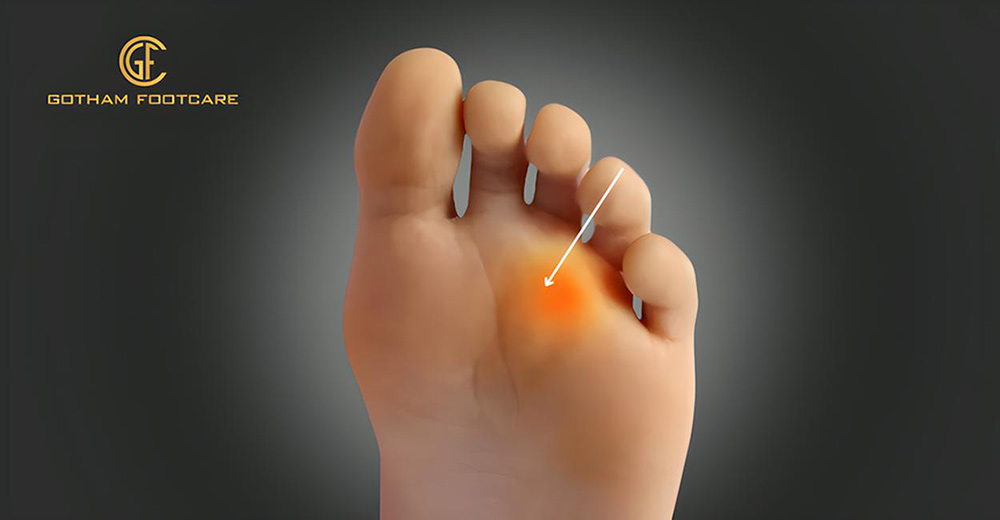
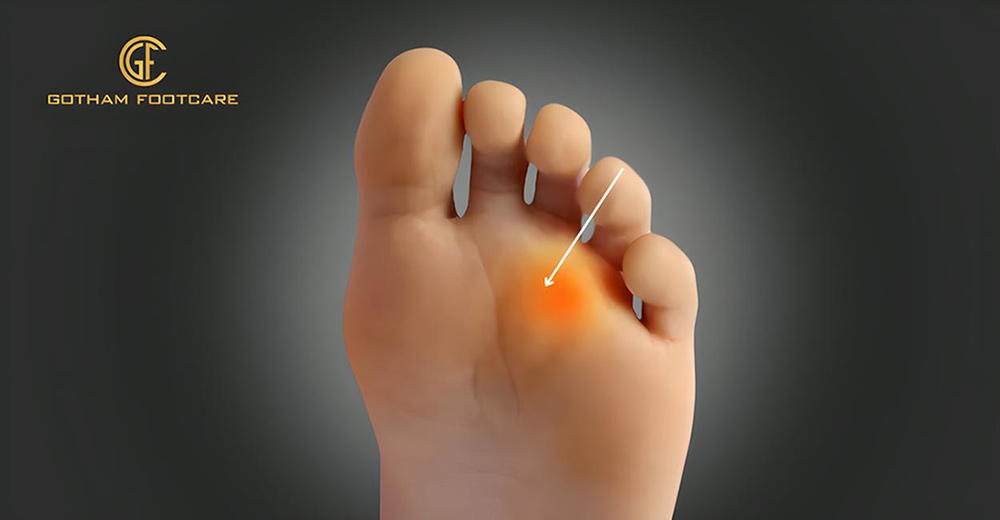
Morton’s neuroma is a common foot condition that shows how nerves and biomechanics work together in complex ways. This painful condition is centered on the ball of the foot, where extra tissue around the nerves can cause pain, itching, and other feelings that spread to the toes.
The nerves in the ball of the foot are mostly affected by Morton’s neuroma. This can cause pain, itching, and discomfort in the toes. People with Morton’s neuroma usually only have pain or discomfort in their foot, but sometimes they may also feel pain or discomfort in their leg.
There are several things that can cause Morton’s neuroma and leg pain to be linked:
Nerve Irritation and Radiating Pain
A nerve that is swollen in the foot can send pain or discomfort signals along its path, causing feelings that go beyond the neuroma itself. This is called referred pain, and it can cause pain in the leg as well as the foot.
Changing the Way You Walk and Stand
When someone has pain in the ball of their foot, it can change how they walk and stand. Morton’s neuroma sufferers may change the way they walk naturally to try to relieve pressure on the affected area. These changes in physics can have an effect on the whole lower limb, which could cause leg pain.
Compensatory Movements
People with Morton’s neuroma may do things that aren’t right to keep from putting stress on the affected foot. These new ways of moving can put pressure on other parts of the leg, which can cause pain or soreness.
Biomechanical Changes
Problems in one area can have an effect on the other because the biomechanics of the foot and leg are linked. Because Morton’s neuroma changes the way your foot works, it may cause leg pain in a chain reaction.
Individual Variability
Everyone who has Morton’s neuroma feels different kinds of leg pain. There are many different ways that leg pain can show up, depending on things like how well you can handle pain, how badly your nerves are irritated, and how you react to discomfort.
Leg pain is one sign of Morton’s neuroma, but it’s important to remember that it’s not what everyone with this condition feels. Symptoms and the amount of pain that spreads can be different for each person.
In some cases, Morton’s neuroma can affect more than just its immediate area, showing up as pain that spreads down the leg. This interesting link is very connected to how nerve irritation and the body’s reaction to pain work together physiologically.
If someone has Morton’s neuroma and leg pain at the same time, they should see a doctor right away. An expert in health care, like a podiatrist, can do a full exam, which might include imaging studies, to find out what’s causing the symptoms. From there, they can suggest the best way to treat the condition. To reduce symptoms and improve overall foot and leg health, Morton’s neuroma needs to be treated early and in a thorough way.
How to Avoid Getting Morton’s Neuroma and the Leg Pain That Comes With It
Pick the Right Shoes
Choose shoes that have a big toe box and good arch support. Make sure not to wear shoes with tiny or sharp points, high heels, or toe spots that are too close together. The shoes you buy should have padding and be able to absorb shock.
Keep a Healthy Weight
Keep your weight at a healthy level to keep your feet from getting too tired. Losing weight can improve the health of your feet and make it less likely that you’ll develop conditions like Morton’s neuroma.
Stretches and Exercises for the Feet
Regularly stretching and working out your feet will help them become more flexible and improve the muscles in your feet. On the other hand, pay attention to activities that help your body’s mechanics and keep certain areas from getting too heavy.
Another Pair of Shoes
Do not always wear the same shoes. Switch between shoes to make the pressure points on your feet feel different. Pick shoes that are right for the activity, like athletic shoes for sports and comfortable shoes for everyday use.
Keep Your Posture Straight
When you stand, walk, and sit, pay attention to your stance. Good posture can help keep your weight evenly distributed and ease stress on your feet and legs.
Checking Your Feet Often
Check your feet often for discomfort, blisters, calluses, and changes in the color of the skin. Taking care of small problems right away can keep bigger problems from happening with your feet.
Do Not Stand or Walk for Long Periods of Time
If you have to stand or walk for long periods of time every day, make sure you give your feet a break every so often. To ease stress on the muscles in your feet and legs, sit down and raise your feet whenever you can.
Custom-Made Shoes
You might want to use special orthotic inserts to give your feet more support and make sure they are properly aligned. Orthotics can help even out pressure and keep conditions like Morton’s neuroma from happening.
Choices for Mindful Exercise
To lessen the stress on your feet and lower legs, do low-impact activities like swimming or riding. Pick things that are good for your heart, and don’t put too much stress on your feet.
Regular Check-Ups With a Podiatrist
Set up regular visits with a doctor to keep an eye on your feet’s health and take care of any problems that come up. With professional help, you can find possible danger factors and take steps to protect yourself.
The Right Way to Warm Up and Cool Down
Do good warm-up and cool-down exercises before and after physical activity to get your feet ready and keep them from getting strained.
Increase in Activity Over Time
If you are starting a new exercise routine, make the workouts harder over time so your feet can get used to them.
Morton’s neuroma, a condition predominantly recognized for causing discomfort in the ball of the foot, sometimes manifests a complicated interaction that has an effect on the leg. This condition can have effects all along the complicated paths of the leg, even though it is mostly found in the foot. By making these changes to your lifestyle, you can lower your chances of getting Morton’s neuroma and the leg pain that comes with it. Remember that everyone’s foot health is different, and it’s always recommended to get personalized help from a medical professional.
Related Posts
View More
A Morton’s Neuroma Doctor Complete Guide to Morton’s Neuroma Surgery: www.gothamfootcare.com/blog/a-mortons-neuroma-doctor-complete-guide-to-surgery/
A Patient’s Story about Morton’s Neuroma: www.gothamfootcare.com/blog/a-patients-story-about-mortons-neuroma/