Patient’s Experience: My Detailed Account of Cryosurgery for Morton’s Neuroma


blog feature image

As someone who had been battling Morton’s neuroma for several years, I had tried numerous treatments with little success. The pain in the ball of my foot had become unbearable, and I felt like I was running out of options. It was during one of my routine visits to my podiatrist at Morton’s Neuroma Center that he suggested cryosurgery as a potential solution. Intrigued and desperate for relief, I decided to undergo cryosurgery to treat my Morton’s neuroma. Here’s a detailed account of my experience.

Preparation and Consultation

Morton’s neuroma is a condition affecting the ball of the foot causing pain and discomfort. It generally affects the area in the middle of toes three and four, although it can also occur between other toes. It involves the thickening of tissue around the nerves leading to the toes. This thickening creates a lump or mass that can cause discomfort, pain, and a sensation similar to having something stuck inside the shoe.

The condition affects up to one in three people, but early intervention and appropriate treatment can often alleviate the discomfort associated with Morton’s neuroma and prevent it from worsening. Treatment options include methods such as footwear modifications, orthotics, injections, and medications, and in severe cases, surgery may be needed. A healthcare provider or podiatrist can diagnose Morton’s neuroma through a combination of physical examination, review of medical history, and possibly imaging tests like X-rays or MRI.

Day of the Procedure

The cryosurgery was scheduled as an outpatient procedure, which meant I could go home the same day. I arrived at the surgical center feeling a mix of nervousness and hopefulness. The staff was incredibly welcoming, and they ensured I was comfortable before the procedure began.

The Cryosurgery Procedure

The cryosurgery started with the administration of local anesthesia to numb the affected area. This helped minimize any discomfort during the procedure. Once I was properly numbed, the podiatrist used imaging technology, such as ultrasound, to precisely locate the affected nerve and guide the cryoprobe to the target site.

The cryoprobe is a thin, flexible instrument that uses extremely cold temperatures to freeze and destroy the nerve tissue causing the pain. The freezing process is carefully controlled to avoid damage to surrounding tissues. The podiatrist monitored the process in real time to ensure accuracy and efficacy.

During the procedure, I felt a cold sensation in the area where the cryoprobe was applied, but it wasn’t painful due to the anesthesia. The entire procedure lasted around 30 to 45 minutes, and I was awake and able to communicate with the medical team throughout.

Post-Procedure Recovery

After the cryosurgery, I was given specific post-operative instructions to follow for a smooth recovery. The podiatrist let me know that I could return to work the following day but recommended resting and elevating my foot to minimize swelling when at home. I was also advised to wear a hard sole shoe for the next two weeks with a temporary reduction of high-impact activities during that course of time.

In the first few days following the procedure, I experienced some mild discomfort, but it was well-managed with over-the-counter pain medications. The podiatrist also prescribed a short course of antibiotics to prevent any potential infections.

Long-Term Recovery and Results

Over the following weeks, I noticed a gradual improvement in the pain I had been experiencing. The nerve tissue that had been treated with cryosurgery began to break down, and the pain gradually subsided. I was thrilled with the results, as the procedure had provided relief from the intense pain I had been enduring for so long.

During the recovery period, I had regular follow-up appointments with my podiatrist to monitor my progress and ensure proper healing. He provided guidance on foot care and gradually introduced physical therapy exercises to help strengthen my foot and prevent future issues.

Life After Cryosurgery

Cryosurgery was a game-changer for me. Not only did it alleviate the pain caused by Morton’s Neuroma, but it also allowed me to resume activities that I had once given up on. I no longer had to dread wearing certain shoes or feel limited by my foot pain. My mobility and quality of life improved significantly, and I am incredibly grateful for the positive impact cryosurgery had on my life.

My experience undergoing cryosurgery to treat Morton’s Neuroma was overwhelmingly positive. From the thorough preparation and consultation to the skilled execution of the procedure and the attentive post-operative care, I felt well taken care of throughout the entire process. Cryosurgery offered me the relief I had been desperately seeking, and I would wholeheartedly recommend considering this option to anyone suffering from Morton’s neuroma. As always, I encourage individuals to consult with Morton’s Neuroma Center to determine the best treatment plan for their specific conditions and needs.
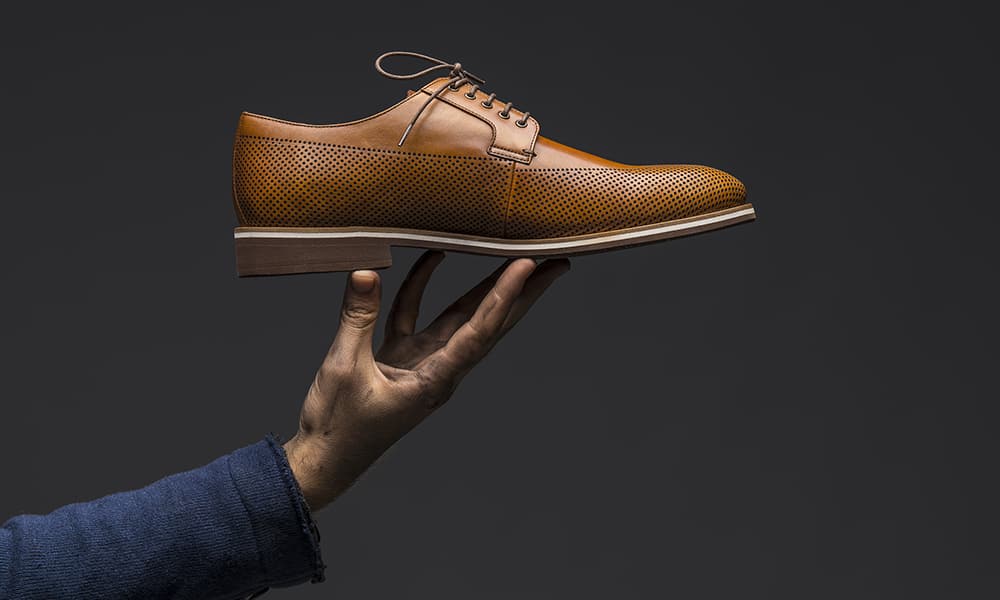
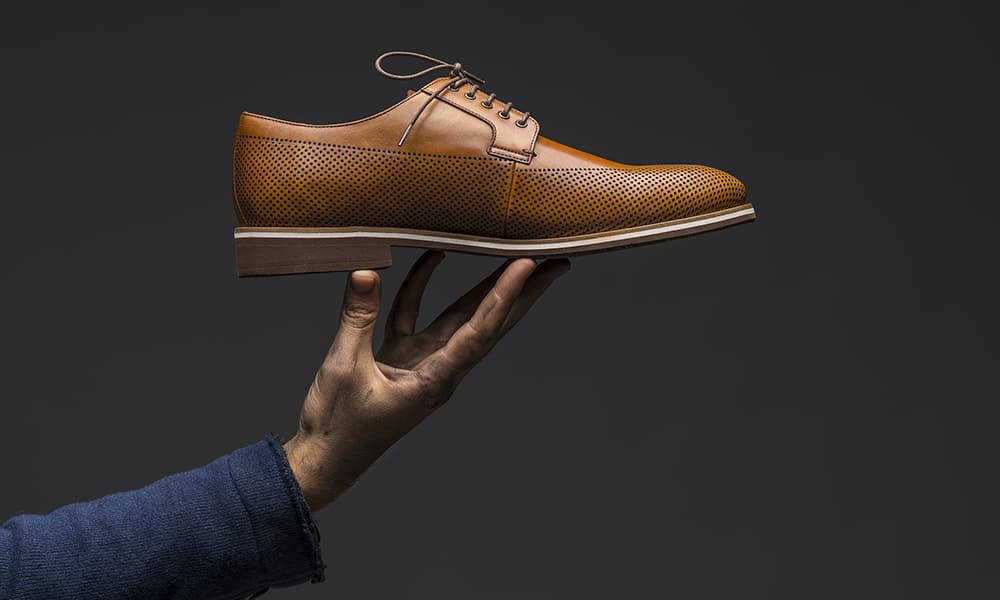
Finding Relief: The Best Shoes for Morton’s Neuroma

Morton’s neuroma is a painful disorder that affects the nerves in the foot, causing pain and restricting mobility. Wearing suitable footwear is one of the most efficient strategies to address this issue. In this blog post, we will look at the best shoes for Morton’s neuroma patients, concentrating on comfort, support, and pain management.

Understanding Morton’s Neuroma and Its Impact on Footwear Choices

To begin, let us define Morton’s neuroma and how it affects the foot. Morton’s neuroma is a condition in which the tissue around the nerves going to the toes thickens, most commonly between the third and fourth toes. Sharp, scorching pain, tingling, and numbness in the affected area might result from this.

The basic purpose of footwear is to relieve pressure on the affected area and offer suitable support. Here are some crucial things to look for in Morton’s neuroma shoes:

  1. Wide Toe Box: allows your toes to stretch naturally and alleviate compression on the damaged nerves.
  2. Cushioned Soles: Look for shoes with plenty of cushioning to absorb shock and lessen the impact on the foot, hence providing pain relief.
  3. Arch Support: A properly fitted arch support distributes weight evenly across the foot, relieving pressure on the problematic area.
  4. Low Heel: Choose shoes with a low or no heel to reduce strain on the forefoot and relieve discomfort.

Top Shoe Recommendations for Morton’s Neuroma

Now that we’ve established the key characteristics to look for, let’s look at some of the best shoe choices for those with Morton’s neuroma, including brand recommendations:

  1. Athletic Shoes: Athletic shoes, such as the Hoka One One Bondi 7, are noted for their superior cushioning, arch support, and roomy toe box. Another great option is the Brooks Addiction Walker, which gives improved walking comfort and stability. The Asics Gel-Cumulus Running shoes provide great shock absorption and support for runners.
  2. Orthopedic Shoes: The Orthofeet Sanibel Mary Jane is a popular choice for orthopedic shoes. It is suitable for Morton’s neuroma patients because of its broad toe box, cushioned inserts, and excellent arch support. Dansko also offers a variety of sandals in broad widths, which provide both style and comfort for those with foot issues.
  3. Wider-Fit Shoes: Clarks and Skechers are well known for their wide-fit shoe alternatives. Clarks has a variety of styles available, including casual and dress shoes, in wider widths to support Morton’s neuroma. Skechers also offers a variety of supportive and comfy shoes for people with foot problems.
  4. Sandals and Open-Toe Shoes: Consider sandals or open-toe shoes that provide the required support and comfort for warmer weather. Orthofeet, for example, sells sandals with adjustable straps and cushioned insoles that provide a comfortable fit and pain relief. Remember, these are just a few suggestions; it’s critical to try on numerous brands and styles to find the best fit for your specific needs. Consultation with a podiatrist or footwear specialist can also be beneficial in determining the best shoes for your Morton’s neuroma.

Additional Tips for Managing Morton’s Neuroma

Aside from choosing appropriate footwear, there are a few more measures that can aid with Morton’s neuroma management:

  1. Custom Orthotics: Consult a podiatrist to see whether custom orthotics could provide additional support and relief from discomfort.
  2. Avoid Wearing High Heels: Wearing high heels might aggravate the pain associated with Morton’s neuroma. It’s advisable to avoid them entirely or to use them just on exceptional occasions.
  3. Regular Foot Exercises: Regular foot exercises advised by a healthcare practitioner can assist in improving foot stability and minimizing discomfort.
  4. Pain Relief Methods: Using cold packs, over-the-counter pain medicines, and massaging the affected area can provide brief pain and inflammation relief.

Finding the right shoes for Morton’s neuroma is crucial for managing the condition and reducing discomfort. Athletic shoes like the Hoka One One Bondi 7 and Brooks Addiction Walker, orthopedic shoes such as the Orthofeet Sanibel Mary Jane, wider-fit options from Clarks and Skechers, and sandals from Dansko and Orthofeet are among the top recommendations for individuals with Morton’s neuroma.

Remember to prioritize comfort, support, and pain relief when selecting footwear, and consult with professionals for personalized advice. By investing in the right shoes, you can take significant steps towards alleviating the symptoms of Morton’s neuroma and improving your overall foot health.

What Causes Morton’s Neuroma?

If you suspect you have Morton’s neuroma or have been recently diagnosed, you may be wondering, where did this come from? There are several different factors that may impact the development of this condition.

Morton’s Neuroma Explained

Morton’s neuroma is a condition affecting the ball of the foot causing pain and discomfort. It generally affects the area in the middle of toes three and four, although it can also occur between other toes. It involves the thickening of tissue around the nerves leading to the toes. This thickening creates a lump or mass that can cause discomfort, pain, and a sensation similar to having something stuck inside the shoe.

The condition affects up to one in three people, but early intervention and appropriate treatment can often alleviate the discomfort associated with Morton’s neuroma and prevent it from worsening. Treatment options include methods such as footwear modifications, orthotics, injections, and medications, and in severe cases, surgery may be needed. A healthcare provider or podiatrist can diagnose Morton’s neuroma through a combination of physical examination, review of medical history, and possibly imaging tests like X-rays or MRI.

Common Morton’s Neuroma Symptoms

Morton’s neuroma is characterized by a distinct set of symptoms that can be uncomfortable and disruptive to daily activities. Understanding the symptoms is essential for early recognition and proper management. Individuals with Morton’s neuroma often experience pain that can range from mild to intense. The pain is typically described as sharp, shooting, or burning. It may feel like an electric shock or a stabbing sensation originating from the ball of the foot. The discomfort tends to worsen with activities that put pressure against the forefoot, such as walking or wearing tight shoes.

Along with pain, many individuals also report sensations of tingling or numbness in the affected area. Another common complaint of those with Morton’s neuroma is the sensation of having a foreign object, like a pebble or small rock, inside their shoe. The severity and specific symptoms of Morton’s neuroma can vary among individuals, and symptoms may overlap with other issues, so it’s important to see a specialist for an accurate diagnosis.

Common Causes of Morton’s Neuroma

While the exact cause of Morton’s neuroma is not completely understood, there are various commonly recognized contributing factors that likely influence this condition. By reviewing the lifestyle and health aspects that are thought to be contributors, we can better grasp how this condition manifests and make informed choices regarding prevention and treatment.

Foot Deformities

Foot deformities can lay the groundwork for the development of Morton’s neuroma by creating an environment conducive to nerve irritation and compression. Conditions like flat feet or high arches can lead to an uneven distribution of pressure on the ball of the foot. Abnormal pronation (rolling inward) or supination (rolling outward) of the foot during walking or running can affect the alignment of the bones, which can also lead to uneven pressure, nerve irritation, and, ultimately, neuroma. Issues like claw toes or hammertoes involve the abnormal bending of the toe joints, often leading to pressure points and friction within footwear. This constant friction and pressure can exacerbate nerve irritation and contribute to the development of Morton’s neuroma as well.

Athletic Activity

Sports and movement can also have an impact on the occurrence of Morton’s neuroma. Athletic activities, especially those involving repetitive impact or pressure on the ball of the foot, can be a triggering factor. Sports like running, tennis, and basketball often subject the feet to continuous stress and repetitive movements. Such activities can potentially lead to irritation and inflammation of the nerve, which can culminate in a neuroma after ongoing athletic activity.

High-Heeled Shoes

High-heeled shoes can substantially contribute to the development of Morton’s neuroma. These shoes force the toes into a cramped position where they don’t have enough room to move around easily, increasing pressure on the metatarsal heads and compressing the nerves. Prolonged wear of high heels or shoes that are generally too tight can lead to chronic irritation, inflammation, and, ultimately, the growth of a neuroma.

Don’t Wait Another Day To Seek Relief

Treating Morton’s Neuroma can be complex and challenging, but the best way to navigate the path to reducing your symptoms is by consulting with foot experts like those at Morton’s Neuroma Center in New York City. With the highest quality patient care in the area and a star team of experienced and educated podiatrists, we can help you treat your Morton’s Neuroma successfully and comprehensively, relieving the pain and discomfort and getting you back the quality of life you had.